Infusion day

Another Friday, another infusion.

A few people lately have been asking about Pudding’s treatment, so I decided it’s time for a blog post about it! Hunter Syndrome means that he is missing a particular enzyme that goes by the snappy name of iduronate-2-sulfatase. The enzyme would normally clear away waste sugars once they have been used by the body. Without it, the waste sugars build up and cause all sorts of problems. So every week, Pudding gets an infusion of synthetic enzyme to remove the waste and keep things working. This is called enzyme replacement therapy or ERT.

For the first few months we had to travel to Manchester for this every week, but now life is much easier with treatments at home.

8.15am – I put emla cream on the site of Pudding’s port. This is a device just under the skin of his chest that then feeds his infusion directly into one of the veins going to his heart. The cream means that it will be numb in time for the needle later.

8.30 – We drop T at school. Pudding objects because he wants to go in too. He doesn’t understand why Fridays are different.

9am – Our nurse arrives. Once Pudding has rushed to the door and said hello, he starts signing and saying ‘TV’. It’s good that he associates her with nice things, despite everything! She checks his temperature and gives him some pre-meds (paracetamol and citirizine) to stop any reactions to the treatment. He’s not keen on having medicine, so we have to catch him before he can run away.

9.30am – The nurse gets a sterile tray prepared and is ready to access Pudding’s port. I sit on the floor with him in front of me and wrap all my limbs around him to pin him down. As long as the TV is on he’s pretty good these days – gone are the times when we needed an extra person to help hold him. The nurse uses a special gripper needle to pierce his skin and go into the port. It is taped down so that it can’t move during treatment and has a thin tube attached to it that his medicine goes through. Before I can release him we also have to try and get a blood pressure reading. Sometimes we’re lucky and get it first go, sometimes it takes several tries before he stays still enough.
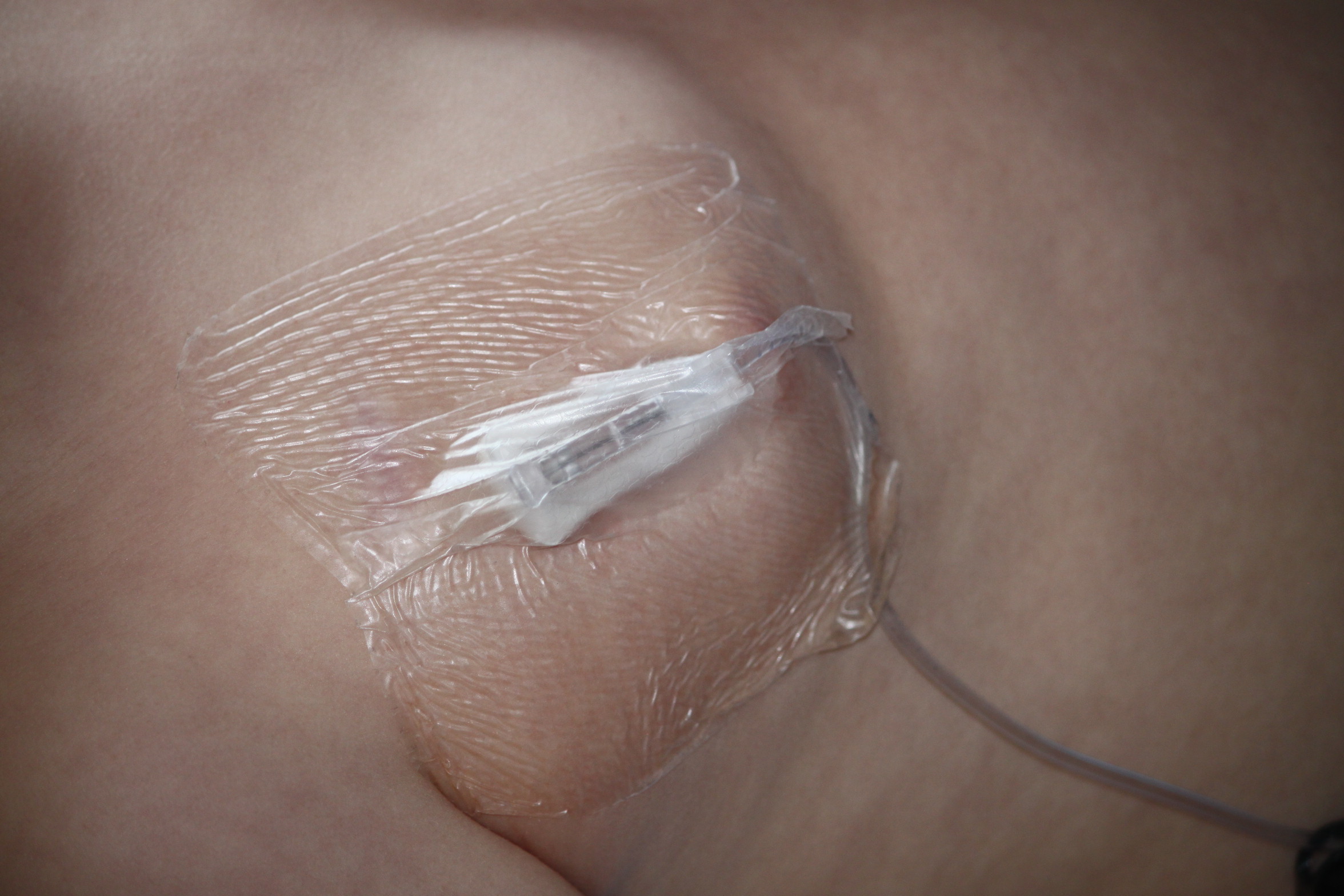
10am – We get the highly expensive, magic enzyme out of the medical fridge. The nurse adds it to a bag of saline so that it can be infused slowly into Pudding’s port. (If it was added in all at once it might cause reactions, and also would be more difficult for the body to absorb.) We have a small electric pump that pushes the enzyme and saline mix through the line at a set rate. When we first started home treatments this was held in a shoulder bag which Pudding refused to wear; we had to hover near him for the whole treatment ready to pick it up and follow him whenever he moved. Not ideal! Now we use a little rucksack – like most aspects of treatment, Pudding is not keen on us connecting the line and putting the rucksack on, but once started it doesn’t seem to bother him.

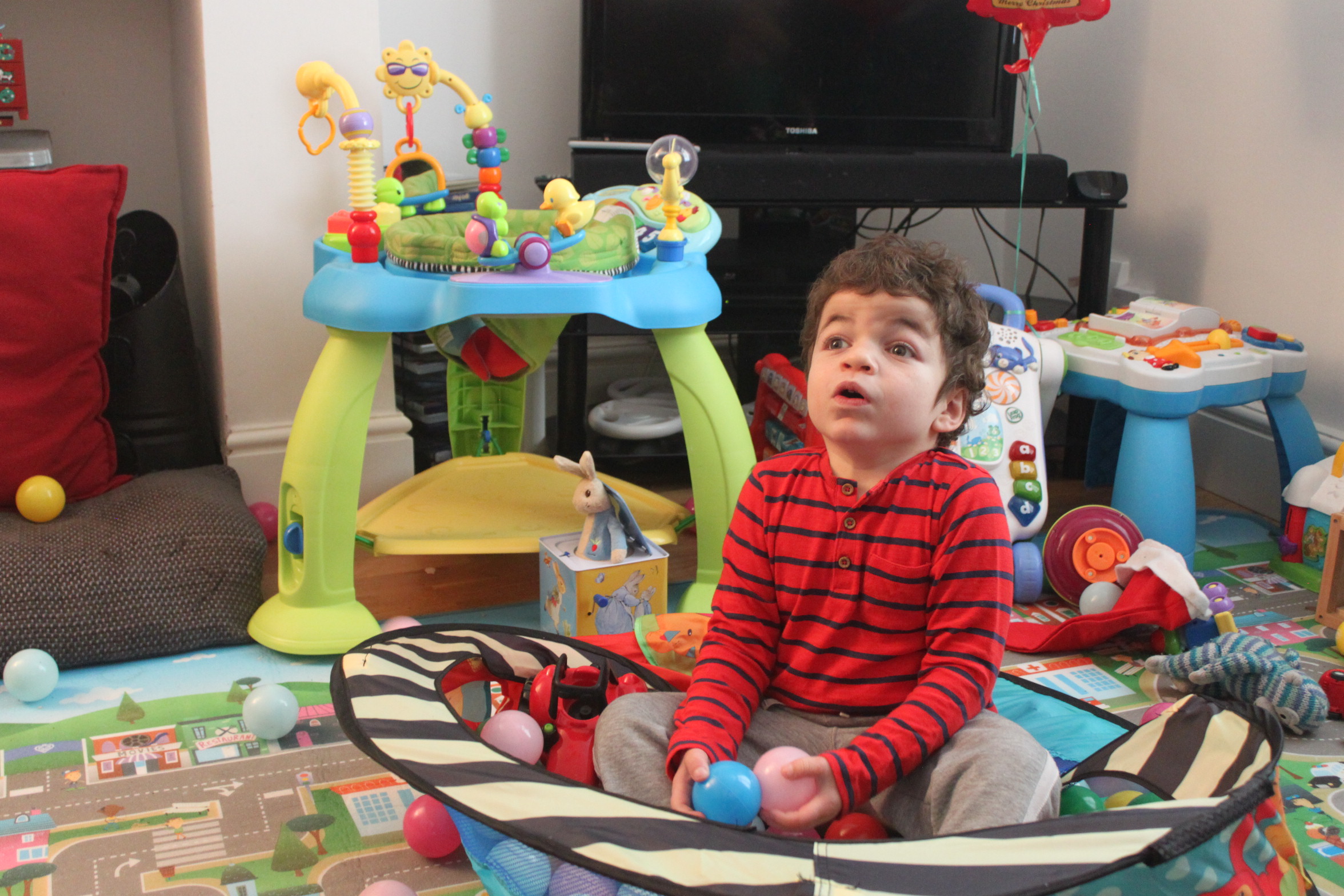
For the next few hours, Pudding is free to watch TV, play, go outside or whatever he likes within reason. We do have to be careful that the needle doesn’t get bashed as that might mean having to access again – the pump will beep to let us know if there’s a blockage in the line and the nurse checks it every so often.

Noon – A dose of ibuprofen.

1pm – More citirizine. By this dose he tends to give in quite easily and opens his mouth for it even without being asked.

1.50pm – The pump beeps to let us know that the saline bag has finished. The nurse puts on another bag to flush any enzyme that is still left in the line.

2.10pm – The flush is finished and we can disconnect the line and take off his rucksack. I have to get back into position on the floor for de-access. First there is an injection of heparin into the port to prevent any blood clots inside it before the next infusion. Then it’s time to remove the needle. Probably his least favourite part is having the dressing peeled off. More paracetamol. Another blood pressure. And we’re finally done. The nurse finishes off all the paperwork, and Pudding ‘signs’ it off on the tablet.

Just in time to head off on school run again.

It’s not the life I would have chosen for him of course but it’s our routine now. I enjoy having a chat with our lovely nurses and getting jobs done round the house. Pudding gets lots more TV than usual and sometimes extra snacks as well. And I am so grateful for this man-made enzyme pumping round his body and unravelling some of the effects of Hunter Syndrome.
Sleep (again)

So, any regular readers will have been waiting on tenterhooks for an update on how Pudding’s move to his own room went and whether we’re getting any sleep. Or, more likely, will have completely forgotten about it….

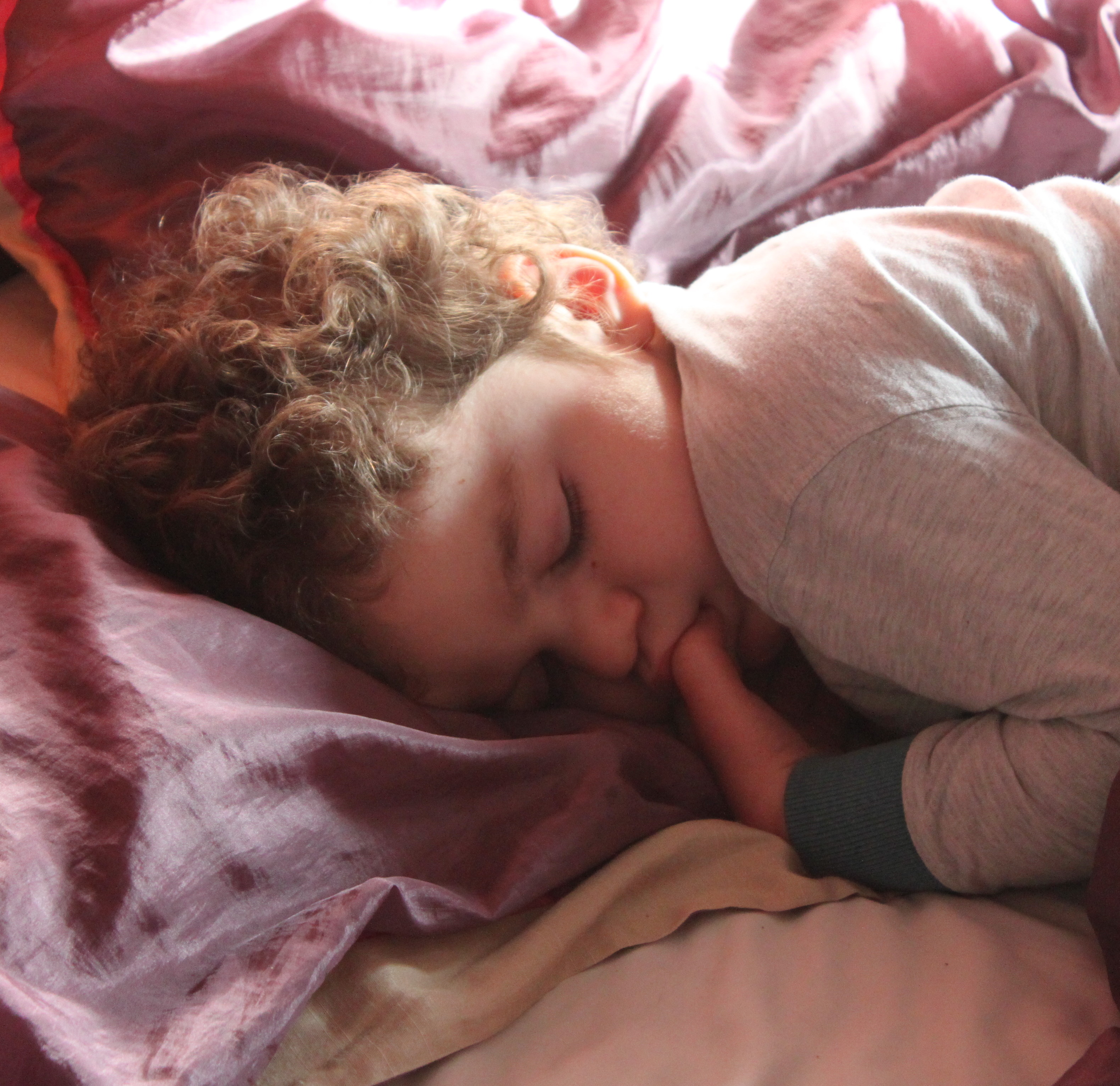
After a massive clear-out of the office (which has now taken over our bedroom), Pudding moved in just before Christmas. The change didn’t seem to phase him at all, though I discovered that with his door directly opposite ours he sounded even louder at night. We waited until after Christmas though to take the cot sides off, and I am very glad we did.

When T graduated from the cot we did all the usual things. We chose new bedding, we talked about how he was going to be in a ‘big boy bed’ now he was growing up. It was an exciting time. But with Pudding it was different, as of course everything is.

When a child has communication problems and little understanding it is far more difficult to prepare for a change. I had no idea whether he would take it in his stride or whether it would throw him completely. Turns out it was the latter.

I suppose that having been in a cot for almost 5 years, apart from a few nights in a hotel room with me, it was quite a reassuring space. To suddenly have that security taken away rocked his world. He understood straight away that he could climb out of bed, and he did, finding it far more distressing that he was going to be left in the room by himself.

Every so often, like when we have the hour change in spring or autumn, he has found it more difficult to settle at night. At those times we’ve simply had to stay in with him until he fell asleep, only for a few nights, and I expected this time to be the same. It was a much slower process though: sitting by the bed with him on my knee to read stories, turning the light out, persuading him to get into bed, staying close by and talking or singing until he was fast asleep. Time consuming but totally worth it to save him from as much stress as possible. Gradually, gradually this has changed and I can now get him into bed, look at a book, turn the light off and go straight out. (On nights when it is Hubby’s turn, Pudding still has him wrapped firmly around his little finger though!) Dropping nap-time completely has helped too – he often can’t keep his eyes open much past six thirty now.

His distress was of course tough to deal with. What mother enjoys seeing their child in tears? However the worst aspect was that it brought on a period of separation anxiety at the start of the school term. Whilst previously Pudding had run in laughing to give his TA a hug, all of a sudden he was clinging to me and crying. This I found very hard and was one of the contributing factors to my low mood last month. But again, with the help of his TA (who became very good at pretending to hide from him) we’ve got through it and out the other side.

Strangely enough, the thing I was most worried about – him getting out of bed at night – hasn’t happened at all. As long as it’s still dark, he has stayed in bed for his nightly partying. We’re not taking any chances of course; he has a very stiff door with a stair-gate on the outside of it.

I’m just not looking forward to those summer mornings when it starts getting light really early…  Knock, knock, knock. ‘Mum-meee! Muuuuum-mee!’


KEEN

I don’t often think about my time at university. Hey, it was so long ago now that I can barely remember it anyway! Yet recently something has happened to take me back.

Oxford twenty-five years ago. At Freshers Fair I came across a stall for KEEN – a student-run organisation that put on sporting and other activities for disabled children (athletes). I thought it sounded like a ‘good thing’ to do and signed up. I was pretty nervous at the first session I went to. After all, what did I know about interacting with disabled people – I was petrified about coming across as patronising to those with physical problems and worried that I wouldn’t understand those with learning difficulties. I thought the parents would be watching me and judging me badly. I have to admit that nervousness never really went away. I kept on volunteering and even ended up on the committee. In the sessions though I tended to gravitate towards working with the more able athletes.

The format  designed by KEEN Oxford has spread to a few other places and we’re not far from one of them. Little did I realise all that time ago that I would end up taking my own child to sessions run by this fantastic organisation.

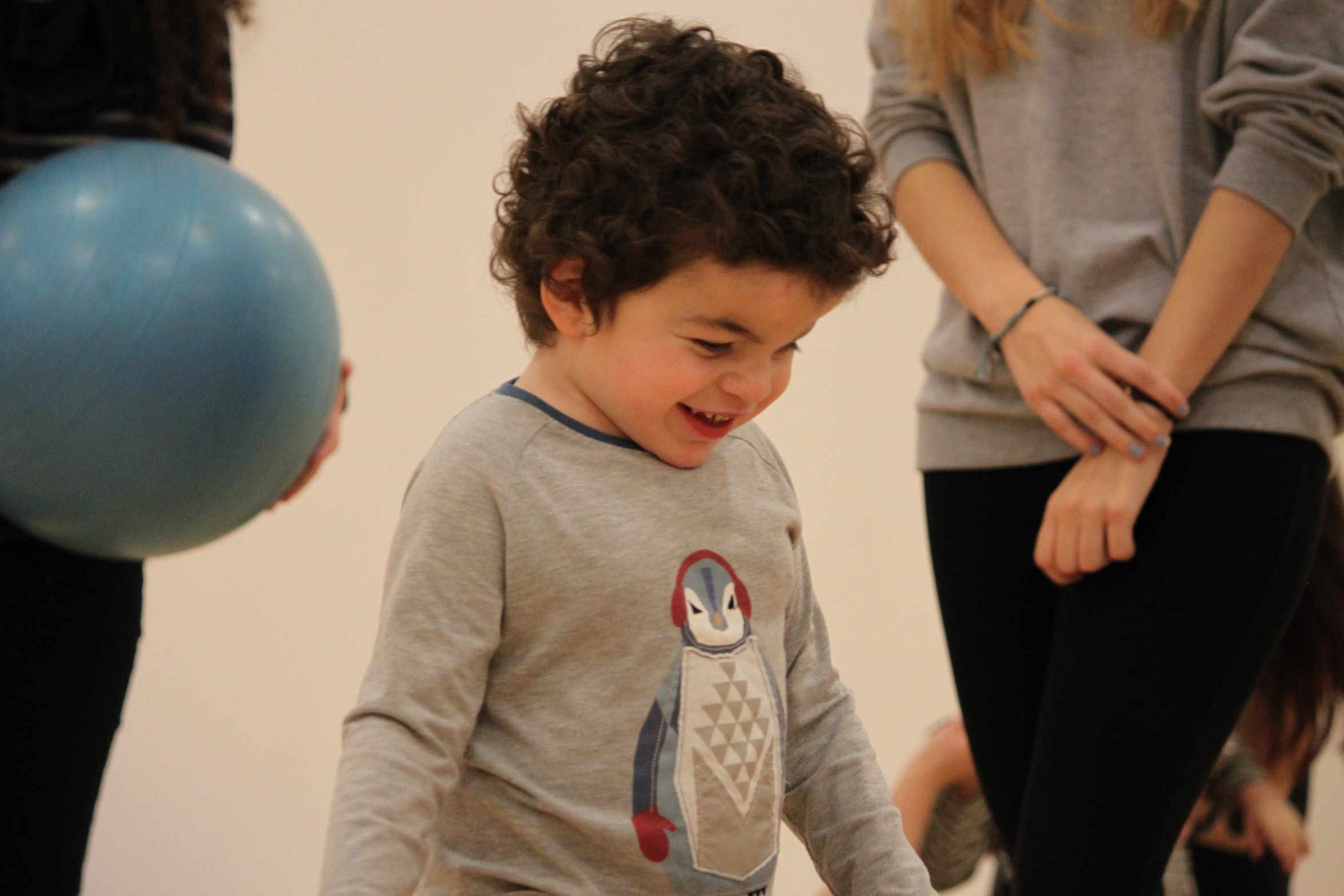
The boys and I went for the first time a few weeks ago. We were the first to turn up so arrived in a room full of students all ready to welcome us. Once Pudding had established that there were lots of balls and people willing to play with him, he was of course in seventh heaven. T too loved the attention, and was happy to beat a student at football by 40 goals to 3. Squeaky flashing balls with the lights turned off was even better.

Two happy worn-out boys, two rested parents, no TV for at least half an afternoon. A definite win all round.

I don’t know if any of the student helpers have the same hang-ups as I did, but watching them I only see enthusiastic youngsters full of energy, with so much to offer these kids. And oh, I am grateful for that!


Rare

When you leave your house today, as you go to work or the shops, look around. 1 in 17 people could, at some point, be affected by a rare disease. In Europe that’s defined as one that affects fewer than 1 in 2000 people.

So how do you spot someone with a rare disease? The man jogging past you may need to take daily medications due to Addison Disease; Charcot-Marie-Tooth disease might be the reason that lady is taking a rest on the bench; the child over there may be behaving ‘strangely’ because of his Tuberous Sclerosis. You may even see someone with 3-hydroxy-3-methylglutarylCoA synthase deficiency, though that’s unlikely as there are only 9 reported cases.

The point is that even though some of them are vanishingly rare, rare diseases added up together are more common than you think. But also they are not always easy to spot, unless there are obvious facial features or mobility aids. At some point it could be you, or a friend or a loved one who gets hit with a bewildering diagnosis.

Two years ago I had no idea about World Rare Disease Day. Nowadays though my Facebook feed is pretty different than it used to be; it is populated with pictures of other boys who also have MPS II (Hunter Syndrome), boys who look just like my Pudding. You see, when your child has a rare disease and you find your community, suddenly it doesn’t feel quite as rare. And on this day, we join together to shout a bit louder and raise awareness of these conditions that have limited patient groups and therefore limited understanding and treatments for them.

And today I celebrate rare. Yes, rare can still mean isolation and struggle and difficult times, but to me it also means this gorgeous smile which certainly isn’t rare in our household.

So today, take a few moments to think of us, share this post and show that you too Care about Rare.

Healing for the Soul

I haven’t posted on the blog for nearly 2 weeks. Not the first time that it’s been that long but it does feel a bit weird. Sometimes gaps have been because we’ve been busy. But sometimes it’s because it can be hard to admit to what I’m really thinking.

Hard thing to admit # 1: I’ve been struggling with a low mood lately. If I’m honest with myself, I’d been struggling since Christmas. I’d been so pleased with myself for having things on a relatively even keel after the emotional trauma of diagnosis year that the dip felt like a failure. How could I feel bad when other people have it so much worse? How could I have a lovely time with friends and then weep as I drove away? How could I have so many things on my to do list, yet get home and feel the hopeless inertia take over?

It wasn’t as if anything major was going on, just the ongoing stresses of daily life with Pudding, worries about his future, fears about the new politics of fear and division, inability to sort out other people’s problems. Just the standard cares of the world really. In the end I burst into tears in front of our homecare nurse and admitted that I’d cried every day for the last two weeks.

The world didn’t end when I admitted that “failure”. In fact, just saying the words helped immensely. I don’t have to be ridiculously strong the whole time. Caring for a child with additional needs IS hard. And I am looking into finding a talking therapy and addressing some of the underlying issues that have been worrying me.

Hard thing to admit # 2: I enjoy having time away from Pudding. I have six hours a day of course when they’re at school. But that goes surprisingly quickly when you’re tidying up and doing other routine stuff.

T and I just had a weekend away with my family up North. As soon as we got to the Hotel of Mum and Dad (I wrote about this before), T ran off with his cousins to the other end of the house and I could relax knowing that I didn’t have to be on constant alert. We had a civilised trip on the train to visit more family and eat lots of lovely food. A lovely time for relaxation.

And the highlight for me was a trip to the beach. As I emerged from the dunes on a beautiful spring morning my soul opened wide and drank in the sand, the sun and the endless sea. ‘I’ve missed this!’ I shouted. I meandered along, picking up shells, while the others kicked ball and ran down sand dunes. The remaining stress ebbed away.

The healing won’t last forever, but it’s helping me get through half term with relatively little shouting and no tears (well, not from me anyway). Maybe the learning point from this is I need to add in a little dose of nature to my routine every so often. Landscape that doesn’t throw things or hit or judge. Landscape that just is, and is beautiful. Healing for the soul.

I didn’t take any pictures on the beach so here are some spring flowers instead.

PS. Dr Google told me that I didn’t have depression, and he was right, but ignoring my own needs could have led to it getting worse. If anyone reading this is struggling themselves, please, go talk to someone – a good friend, GP, whatever. Don’t feel you have to stay strong whatever the cost.

My Valentine

Last year in February, the month of love, I wrote a post and quoted a Wet Wet Wet song ‘Love is all around me’. I read it again recently and I’ll be honest, I had a lump in my throat.

The love and support I’ve had from those around me have made so much difference since Pudding’s diagnosis. Without those family, friends and professionals who care for us in a variety of ways, I’m not sure I could have coped. (There are still times I don’t cope so well but that’s another story.)

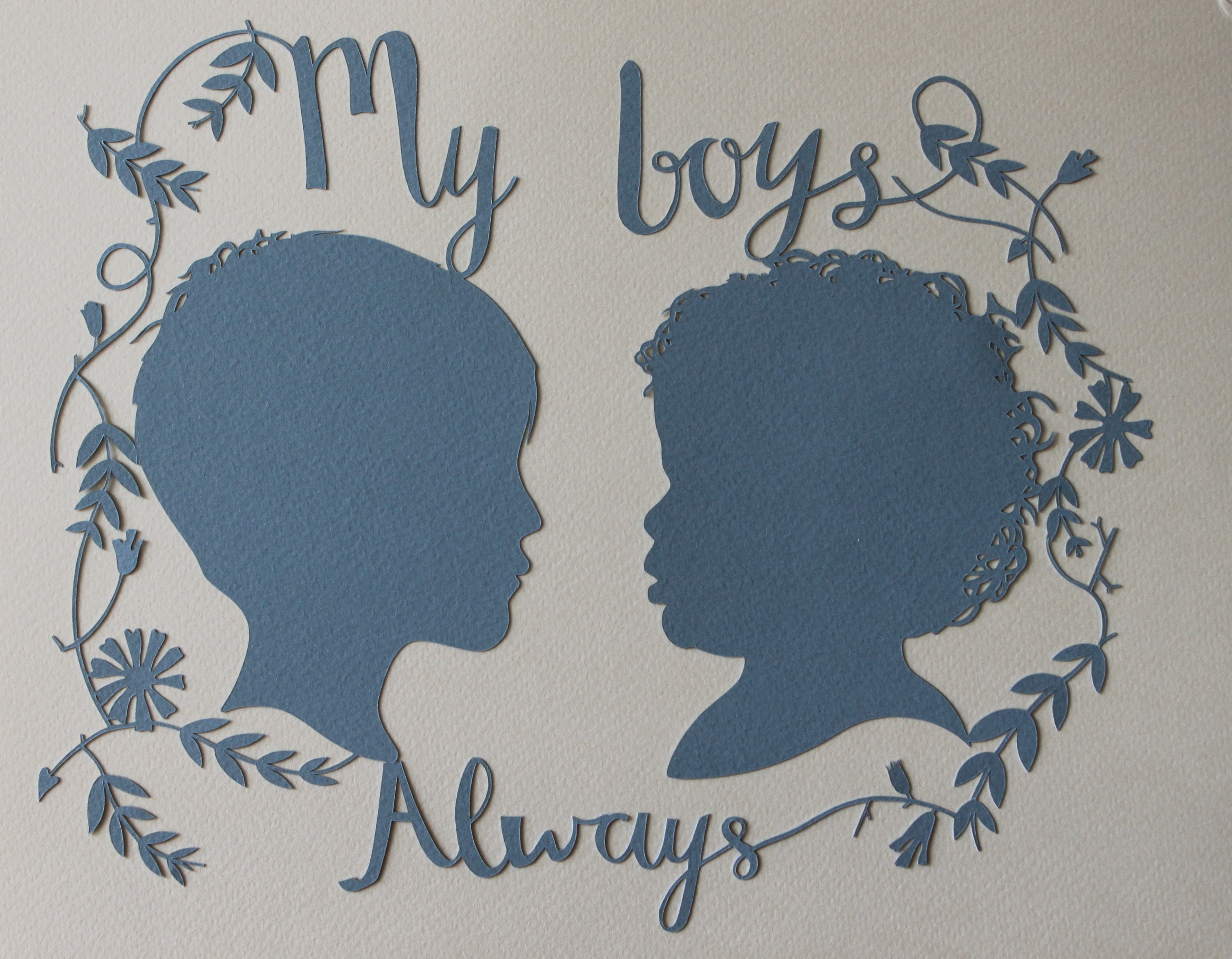
This year I’ve been thinking more about the contrasts of love. Leaving Hubby out of it, the two great loves of my life are my boys. (Oh, and chocolate, mustn’t forget chocolate.) Yet, the love I feel them is not the same.

I look at T with pride and awe at his imagination, his bright mind and classic looks. I marvel at his growing independence and get so much enjoyment at sharing my old favourites and new experiences with him. My heart swells and I think it can’t be possible to love anyone as much as this.

And then I turn to Pudding who has MPS written all over his face and I melt all over again. Yes, I feel pride at every little achievement he makes, steps that would be easy for most other children but that are hard won for him. But my love for him is both softer and fiercer. I want to wrap him in my arms and protect him from the world. His chuckle can turn around a grey day and an unexpected kiss from him is worth a million dollars.

Sometimes after making me angry T has told me I love his brother more than him, and maybe other people think that is the case too. I don’t think it’s true – yes, I lose my temper with T and in the heat of the moment may not always like him. But I still love him. And with Pudding my feelings can be just as complicated by irritation and fear and sometimes boredom. My love for them is never in question – equal but vastly different. And when I catch them for a brief moment snuggled side by side on the sofa my world is complete. To quote this time from a musical I love – Blood Brothers – ‘They’re a pair, they go together.’

So, two Valentines this year for me. Well, ok Hubby, maybe three…


Mummy Times Two

What’s on your mind?

For a while now there’s been one question that I’ve wanted to know the answer to more than anything. More even than the ‘What does the future hold?’ question, which I have sort of accepted that I will never know. The question is ‘What goes on in Pudding’s head?’

I live with him and love him. I know loads about him. I know that he loves watching Octonauts or Sarah and Duck. That he has a mean left kick in football. I know (mostly) what foods he will or won’t eat. I know (usually) when he’s about to hit me or throw something.

But I never really know what he is thinking. Because he can’t tell me.

When chuckles suddenly erupt from his round belly for no reason that I can fathom, what has started them? Has he seen something that tickles his sense of humour, or is he remembering something funny? Or, is it another new symptom to worry about? (Gelastic seizures, which cause a sudden bout of laughing or crying, are another thing I’d never heard about before Pudding’s diagnosis with MPS. Unlikely at this stage, but that doesn’t stop me running the possibilities through my head.)

When he is chatting in his bed alone at night in the pitch black, who is he talking to and what is he saying? I’d love to be able to join in sometimes as it sounds like a lot of fun.

When he asks for ‘Beebies’ for the twentieth time in a row with that beautiful hopeful smile, does he expect the answer to be different to the previous 19 times?

He does sometimes show problem-solving skills such as coming to find me when he needed a milk spillage cleared up, or getting a stool when he wants to reach something. So I know that he can identify a problem and find a solution.

I’ve often wondered how much he recognises people that we don’t meet very often and remembers things we’ve done with them. He’s so happy to see anyone and gives smiles and cuddles out freely regardless of whether he knows them! But I had an insight when we met his cousin’s cousins recently after a gap of only three weeks. The first time we saw them was in a restaurant and we whiled away the wait for food by playing one of his favourite games. It’s very simple – we point at each other and say ‘You!’ then someone replies ‘Me? No, you!’ (Really, don’t ask. Don’t all families do weird stuff like this?) Well, the second time we met up, as soon as the little girl peeped around the corner, Pudding pointed at her and shouted ‘You!’ Not his usual greeting, so I’m sure he remembered the time before.

Unless his language makes a huge leap forward, I probably never will have much idea of what he’s thinking about aside from the basics. I wonder what he would have been capable of, had his brain not been gradually clogged up with waste sugars for the first four years of his life. One thing I can be sure of though – there’s more that goes on in that curly head than I will ever really be aware of.

Birthday planning

I find it hard to believe that my little Pudding will be 5 years old soon.

When your child has additional needs, birthdays can sometimes be a stark reminder of milestones missed. This year though, it’s a new challenge that is facing me. The birthday party!

Last year he had only just had an operation to fit a portacath into his spinal canal, so we didn’t do much for his birthday. So this time it will be his first proper birthday party.

First decision was where to hold it. Pudding has been to a few parties recently in a hall with an entertainer or bouncy castle.  Whilst he has enjoyed himself at these events it’s been in an ‘excited by the general atmosphere and balloons’ way rather than in joining in with his peers. I want his party to be one where he can take part on his own terms, so I’ve gone for one of the local soft play places.

These are definitely not my idea of fun, but kids seem to love them. This one is relatively small, so Pudding won’t be left behind while more able kids enjoy the bigger equipment. And I’ve been able to book exclusive use, so I don’t have to worry about him throwing things at complete strangers – his friends will be pretty used to his ways so I’ll worry less about them!

Guest list was next. Being minimally verbal he can’t tell me who he wants there. Of course there are some obvious candidates – Niece is top of the list, and I’ve got to know some of the children in Pudding’s class who seek him out. His TA has helped me out with a list of other children he plays with regularly.

And last issue on my list is presents. I’d hate to be one of those parents who nit-pick and insist on a gift list for their little darling. But when it comes down to it, there are only certain things that will be suitable for Pudding. Many of the toys that other children might receive would either be thrown at us, sit on a shelf for years or be adopted by T instead. So I agonised for a while, and then included this with the invites:

As many of you will know already, P is a bit of a character! Most presents for a five year old are not really appropriate and even I have problems buying for him. If, instead of a present, you would like to make a donation to a relevant charity that would be fantastic. We suggest the MPS Society (http://www.mpssociety.org.uk/) or the children’s hospice Martin House (http://www.martinhouse.org.uk/). If you’d rather not do that, please feel free to ask me for gift ideas. But most importantly don’t feel like you need to do either! He’ll have an absolute ball at the party and playing with his friends will be the only thing that matters to him.

Hopefully I won’t offend anyone with that! Sorted. Now all I have to do is decide on the theme for this year’s cake.

And the best thing of all? When I took him into school yesterday, one little boy came and asked me how to sign ‘Happy Birthday’ in Makaton because he wanted to say it to Pudding. I could have literally melted on the spot. Instead I had to admit that I didn’t know – but I’ve learnt it now!

Clearing out

Ah, the post-Christmas clear out!

Finding space for all those new toys often means a ruthless look at the old ones and the filling up of various charity bags. Added to that, moving Pudding into his own room has given the perfect opportunity for some reorganisation and de-cluttering.

Reaching under T’s bed to pull out what was stored under there I nearly choked on a few year’s worth of dust. (Think I might have mentioned my lacksadaisical approach to cleaning before?) I hauled out the musical instruments to put on Pudding’s shelves. The kitchen play sets would still get plenty of use. Building blocks and dressing up fitted nicely under Pudding’s bed.

IMG_7296And then I stopped, confronted by two boxes of jigsaws and  first readers’ books. T grew out of them a while back, so a few years ago I packed them ready to pull out when they were needed again. There they have stayed. I’ve come across them lurking there since and pushed them back again knowing that their time was still not here.

I wonder now whether their time WILL ever come. Will he ever be able to do a 50 piece jigsaw or learn to read? I don’t know.

The brain is a wonderful thing. People with significant brain injuries can learn to walk again, or talk, or any number of amazing achievements. Yet there are individuals who are fully functioning in all other respects but never learn to recognise faces. I found the neuroscience module I did during my degree absolutely fascinating, but if there’s one thing I learnt it’s that there is so much we don’t understand. Perhaps this treatment will clear his brain of waste products. Perhaps he will learn and progress more. But perhaps he won’t. It may be that he will always remain a two or three year old cognitively. I can look at others with the same condition who are also on the trial but I just don’t know.

I’ve lent some books and jigsaws to friends who can make better use of them and I’d love to get rid of the lot. But I won’t. Because that would be giving in and limiting our expectations of Pudding. He’s surprised me with so many things already, so I have to hope that he will again. And if he doesn’t? Well, I never really liked Biff, Chip and Kipper anyway…

Clinical trial – a year on

Monday and Tuesday we were in Manchester again. It is the end of Pudding’s first year on the clinical trial that aims to halt the progression of Hunter Syndrome in his brain. So he needed to go for an MRI scan and lumbar puncture under general anesthetic.

It’s IMG_20170109_180120been an emotional journey of course. First there was the decision to enter the trial when the potential good had to be weighed against the negative implications. There was the major surgery itself meaning the placement of a portacath into his spinal cord. The first few months when he reacted with sickness, and then the gradual easing of tension as the reactions were brought under control. The waiting game as we wondered whether it would help him at all. And the slowly dawning hope that as he approaches his fifth birthday there is no sign yet of him losing skills. Indeed he seems to be gaining them.

It is little things. Things that other parents would hardly notice. Like me asking him to turn on a light that was beside him and him doing it. Like me saying ‘good building!’ as he played with his blocks and him responding ‘da dyu!’ (his version of thank you).

So although the results of this end of year MRI scan won’t be available to us, I’m pretty sure it will be positive. Enough boys with Hunter Syndrome have now been recruited onto this study and while we wait for them all to complete the trial year, Pudding will join others on the extension study. They continue to receive the monthly doses but with less regular blood tests, ECGs and so on – something both Pudding and I will be very happy about.

At the end of this calendar year, Shire (the pharmaceutical company who developed this drug) will be putting the numbers together and starting the process of getting it approved as a treatment.

I should be feeling positive.

Yet my newsfeed has been filled this week with stories of an NHS in crisis. Not enough beds, not enough doctors, not enough money to treat an increasing number of patients. With these sort of pressures who is going to sign off an eye-wateringly expensive new treatment?

Right now I should be filled with campaigning zeal. I should be writing to my MP and demanding to know what can be done to save the organisation that could save my child’s life. But I know what the response will be. The NHS is ‘very important to us’. ‘We are doing all that is necessary’. Health funding is at ‘record levels’.

It shouldn’t stop me, I know. I shouldn’t let the sense of powerlessness take over. But I just…right now, I just…can’t…