This week I got an email from school that made me cry. It was nothing nasty, nothing insulting, but quite the opposite. Written kindly and sensitively just as I would expect from this lovely place. But it really took me by surprise how I reacted.
Earlier in the day I’d spoken to a continence nurse for our first appointment since the service had been reallocated to the children’s centre. She was looking at Pudding’s details and trying to get a proper picture of his toileting needs. As part of that she of course asked about his diagnosis.
As usual, I reeled off the top-line facts about his Mucopolysaccharidosis Type 2: that we had no idea until he was 3; that his body can’t get rid of certain sugary waste products and so they build up; that he’s currently in the stage where he is losing skills; that the prognosis is not good. And as usual I heard that small shocked silence while the person on the other end of the conversation finds a kind and appropriate response.
I’m an old hand at these conversations. I’ve had so many of them. Maybe I come across as callous or uncaring when I give out these facts in such a matter-of-fact way. But the truth is, when I am saying these things I’m not talking about my son.
All these horrible facts describe what will happen to a theoretical boy and at a theoretical point in the future.
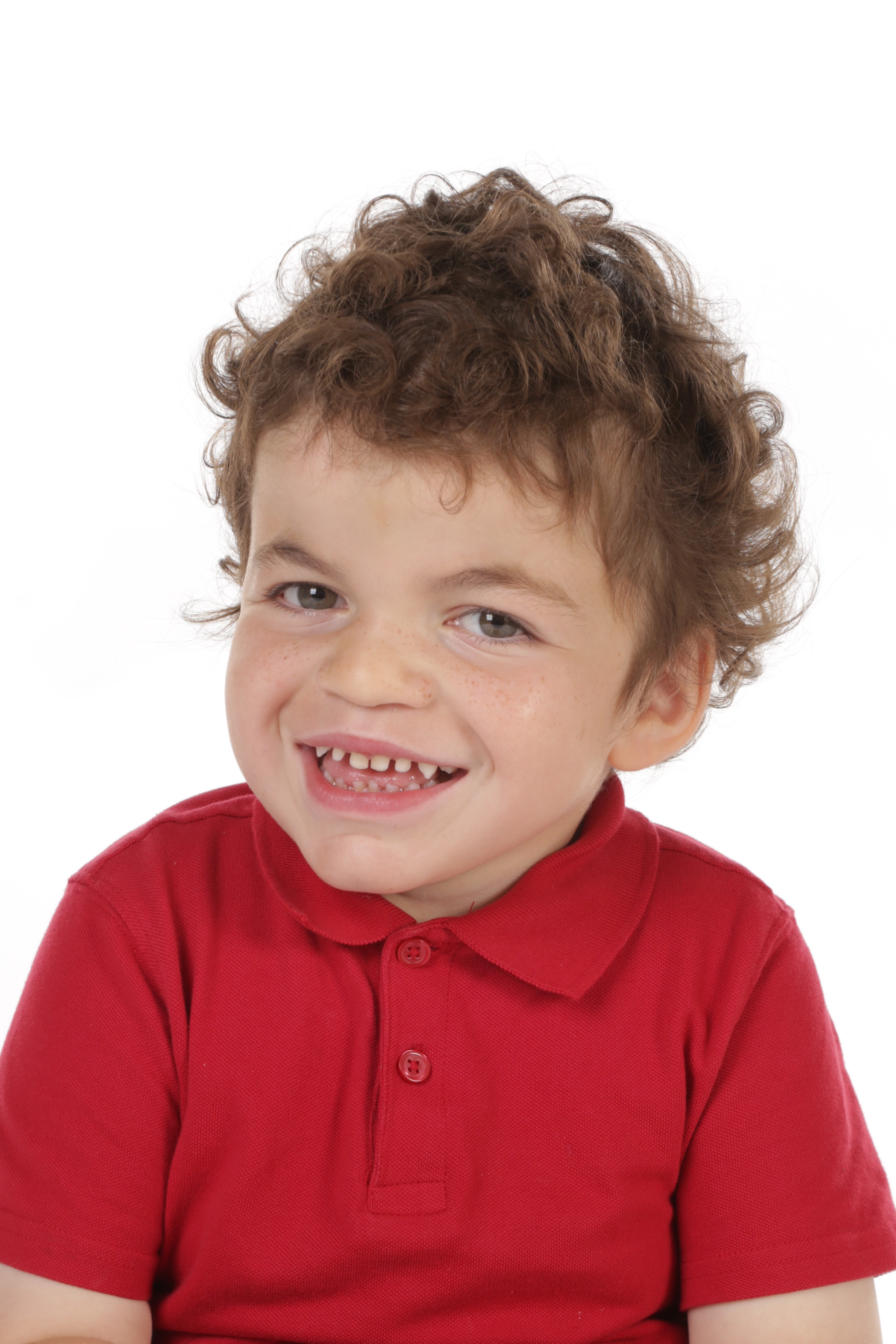
Oh, I know that’s not strictly true. I’m not really burying my head in the sand about what will happen to my gorgeous boy. I know that we are losing him to this horrible condition. But I guess that in a way I have learnt from the best teacher in the world. Him. I’ve often written about how Pudding lives in the moment – happy or unhappy with what’s there right in front of him, and no understanding of what will come in the future. It’s a good way to be sometimes.
So what about that email from school? Pudding has up until now been in an autism-provision class as he has had many similarities with these children – the need for structure and routine, and a sensory semi-formal curriculum. Even very recently I had wondered how long this would be suitable for him given the changes we’ve seen lately. But that was theoretical, my own private musings. The email confirmed my thinking and brought it into reality.
Practice feels much harder to deal with than theory.
 It is hard to describe the relief I felt on getting the first letter home describing what his class was going to get up to this half term. I no longer have to deal with the heart-sink of reading ‘this week we’re going to be looking at number bonds to twenty’ when my son can’t even count to two. Instead I read about an emphasis on mark-making, sensory play and grouping objects. They work on self-care and regulating emotions, do dance and explore stories in amazing interactive ways. It’s exciting watching this new future unfold in front of him.
 We already knew what the local primary (which T attends) was like, and we also went to look round the nearest specialist provision. (The term ‘special school’ still makes me wince a little, though there isn’t really an easily understood alternative.) It was lovely there but in the end we chose mainstream. I thought it would be good for him to be rooted in the local community and good for others too, to have some understanding and acceptance of those who are a little different to them.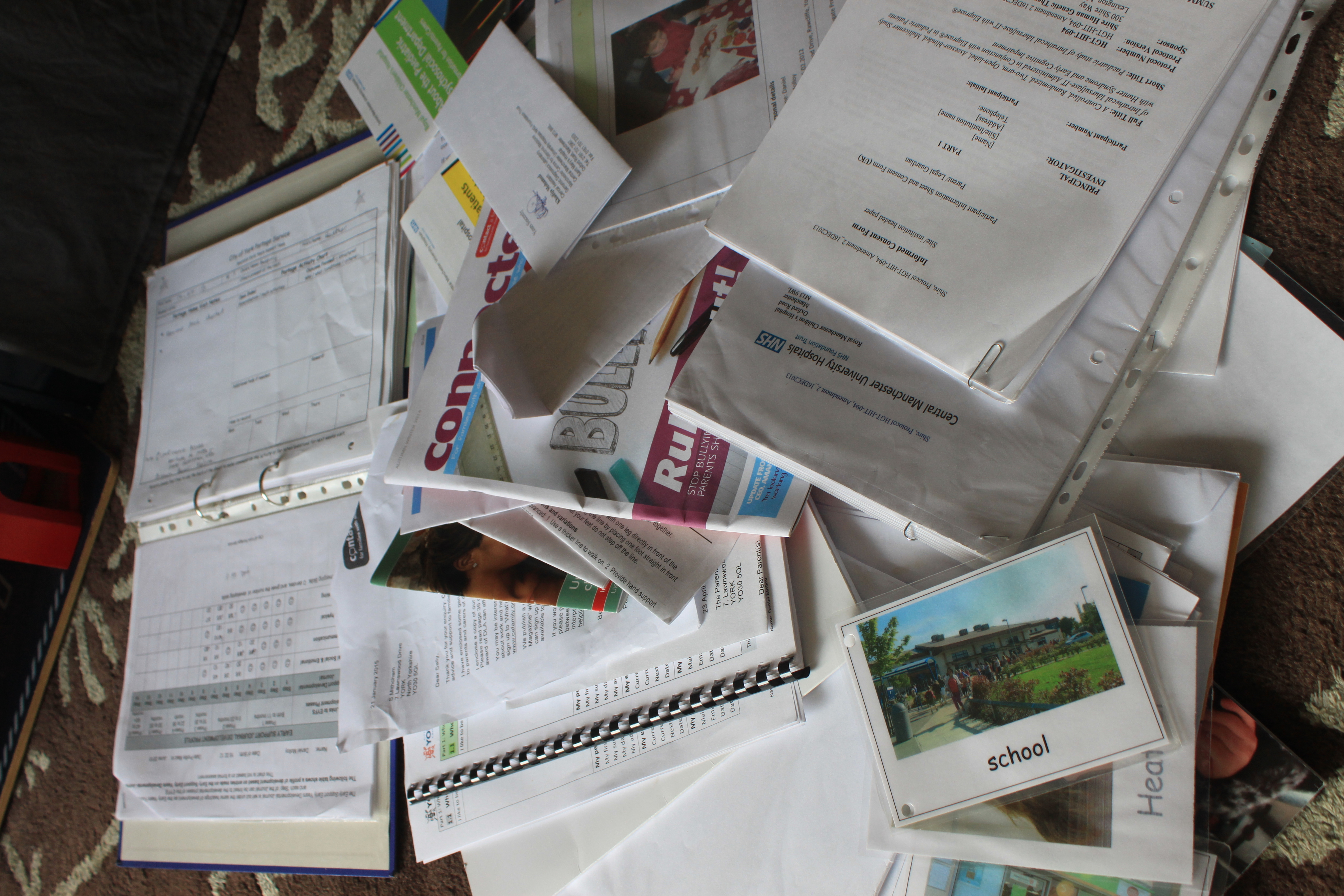


 A Hunter's Life