Happiness

I am happy.

It feels weird to say that on this blog, and also slightly wrong. Like I shouldn’t be.

When my son was diagnosed with a life-limiting condition back in July 2015, I was thrown into a maelstrom of emotions. Most of all, I couldn’t imagine ever laughing again, let alone feeling the deep contentment that I’ve settled into lately. But I guess that’s the thing about emotions – they don’t hang around forever.

Now, I have so much to be happy about: I have a lovely house and garden; strong family support around me; T is growing into an interesting and studious young man who frequently makes me laugh out loud with his quirky take on life; I’ve been able to get into more acting again; meditation has changed my outlook quite a lot; and going on HRT has also made a huge difference in eliminating some of the anxiety that I’d come to think of as normal for me. After two years of writing a gratitude diary every night I certainly don’t struggle to find three things to put down each day.

And then there’s Pudding…

When we got his diagnosis I was already struggling to deal with his whirlwind antics on a day to day basis. And now came the punch punch punch that MPS brings. Heart problems, general anesthetics, weekly trips to Manchester for enzyme treatments, issues with airways, joints…. Through all this there was the knowledge that he might be one of the unlucky ones, one of the ones with progressive Hunter Syndrome who will lose all his hard-won skills and die in his teenage years. That was confirmed in October 2015.

Then we were onto the next roller coaster of a clinical trial – the shaky hopes as we were hauled to the top and plunging despair as the reality of his decline kicked in, the impossible decisions that we were forced into making.
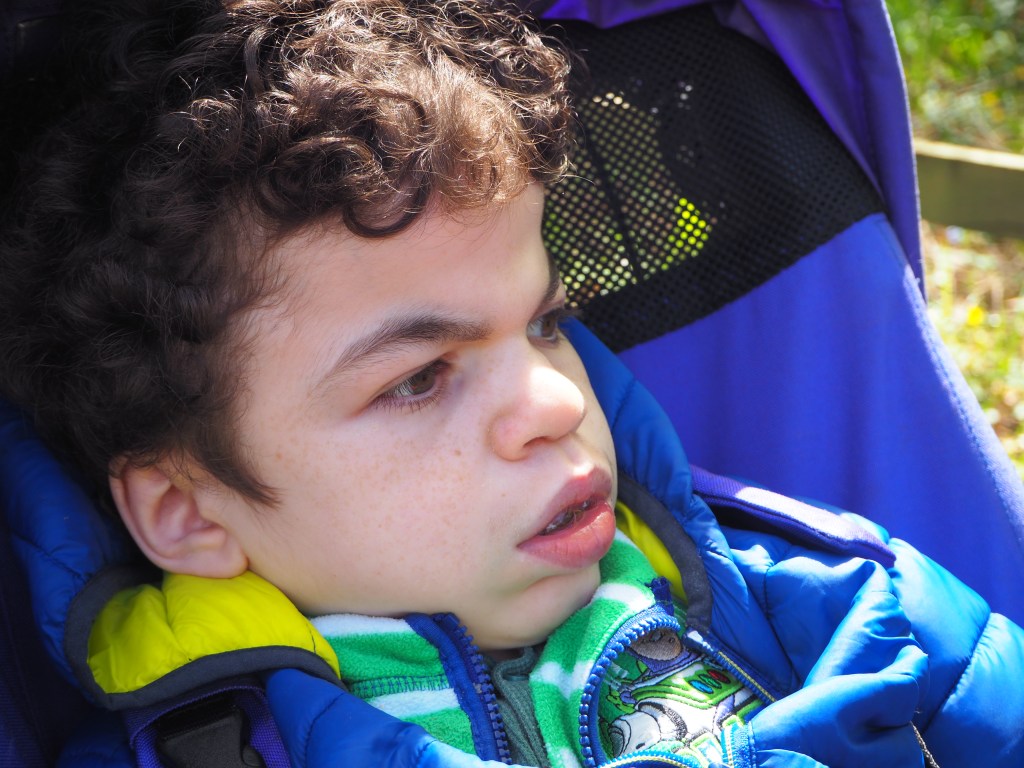
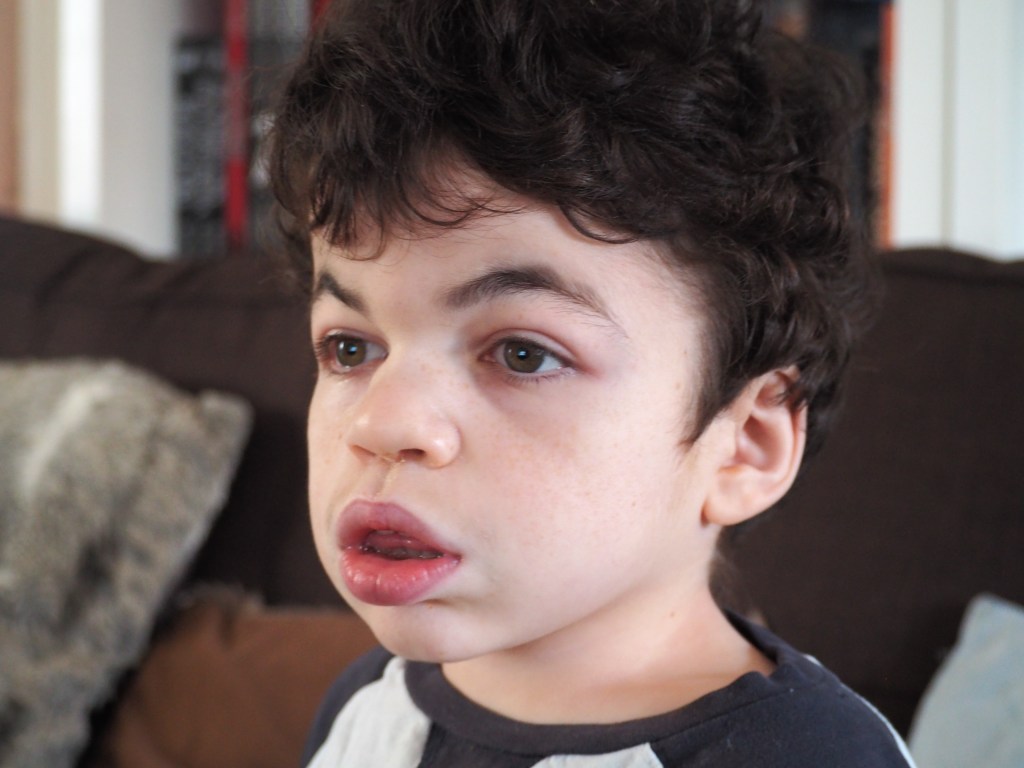
A close up. Boy with features of Hunter Syndrome, reclining in a disability buggy looking off to the side.

Now, all the hope has gone. He no longer has any treatment, only symptom management. We know that the inevitable will come to pass. Short of a miracle happening we will continue to lose him bit by inexorable bit. Anyone looking in from the outside might expect our situation to be much bleaker than the times I have described above. But with the hope gone we’ve also lost the deep lows. With the loss of Pudding’s abilities we’ve also lost the challenging behaviour. We’ve not necessarily stepped off the roller-coaster – I know there will be further ups and downs ahead – but most days we coast along fairly happily. Back then, I saw the future as a constant bleak decline, but in reality progress is more step-like with a sudden change followed by months of stability where we can settle into peace. After many years of saying I need to learn from him, to live in the moment, I’m pretty much there. And we have many beautiful moments.

Of course, it’s not all sweetness and light. Even Pollyanna had her down days. Ironically, reading the posts that I’ve linked to above I’ve just been crying again, but they’re tears for the me that was writing then. The me who was having to deal with all that. There are days that I cry for the future – a conversation with a doctor at Martin House triggered a vision of saying our final goodbyes to my baby. And there are other days when I cry for the now – when Pudding is unhappy and I don’t know why and can’t fix it, no matter how much I want to. Those times will undoubtedly become more common as we get further on.

But until then I am happy. In the moment.
Thomas

One week ago a family said goodbye to their boy for the last time. I only met Thomas once or twice but that didn’t stop his death hitting me hard.

When I heard that he had been admitted to intensive care in early December I was hoping so much that he would pull through. I sobbed for days when he could no longer carry on. And on the day of his funeral I picked Pudding up from school and held him extra tight for as long as he would let me.

From the moment a parent hears about the diagnosis of mucopolysaccharidosis, the death of your child becomes a painful reality. It may depend on many factors – treatments, bone marrow transplant, early diagnosis – and may not come to pass for many years yet. But the knowledge of the possible hovers there anyway.

When I started making contacts with other MPS families after the first few months of shellshock it was a welcome relief from the terrible isolation of hearing that diagnosis. Finally a chance to meet with others who just got it. Who didn’t need anything explaining and wouldn’t give you that look of panicked sympathy before awkwardly changing the subject.

Joining groups on social media provided answers to many questions that I had, but also showed the side of MPS that was harder to deal with. The older kids that were declining, and parents who were already mourning their losses. It was cushioned though, with the hope that maybe that wouldn’t be the outcome for Pudding.

The years passed and so did more children. Each one is heartbreaking, but still muffled a little by differences. ‘He’s much older than Pudding’. ‘She had a different type of MPS’. A drowning man will clutch at a straw…

Tucker. Matthew. Jack. Jamie. Names I knew but not well. Death and grief then marched on through families who were not just acquaintances any more, but had become friends. Ethan. Zack. Each one gets harder to hear about. Each time you wonder who is next.

Pudding turns 11 next month and Thomas wasn’t much older. They were both in the ‘chaos’ phase of MPS2 when they were tested for entry onto a clinical trial only a few months apart. (Thomas didn’t get in. Pudding did, though the benefits were sadly short-lived for him.)

I met his mum at a conference. We probably couldn’t be any more different in terms of background, experience, age, appearance and she’ll probably laugh at me for admitting that I found her rather intimidating to start with. But MPS has a tendency to dissolve away those barriers and I got to know an amazing person on Facebook, on the phone, and very occasionally in person – Norfolk is annoyingly far away from Yorkshire. Over the past couple of years, we’ve both seen our boys become quieter. We’ve both waited for our child to wake up from general anesthetic after a gastrostomy. We’ve both tried to balance the needs of our MPS child and their siblings. She’s not had an easy ride of it – let’s face it, MPS doesn’t give many people an easy ride – but she’s always been there to offer advice and support for others. Even after her own loss she continues to be generous in that way, letting me blurt out my emotions on here.

Because the emotions are inevitably there. Picturing him in hospital, knowing the discussions that took place with family and consultants, hearing about arrangements with the hospice… Knowing all that, it is impossible not to imagine us in the same position and wonder how long it will be.

On the day of Thomas’ funeral I so wanted to be there. To hug his mum. To cry for him, and for Pudding and for all the other children that MPS is stealing away. It just wasn’t feasible to travel that far, but I hope she knows that my heart was there with her.

I was nervous about writing this post. I knew that anything I wrote about Thomas would inevitably be more about the future that I know hovers over Pudding. And I knew that I wanted to find the right balance between expressing that and honouring Thomas’ life and loss.

So the best thing is to leave the final words to his mum. As she wrote on Facebook last week: ‘My darling boy I will always love you. You will always be with me and thank you for everything you have taught me.’

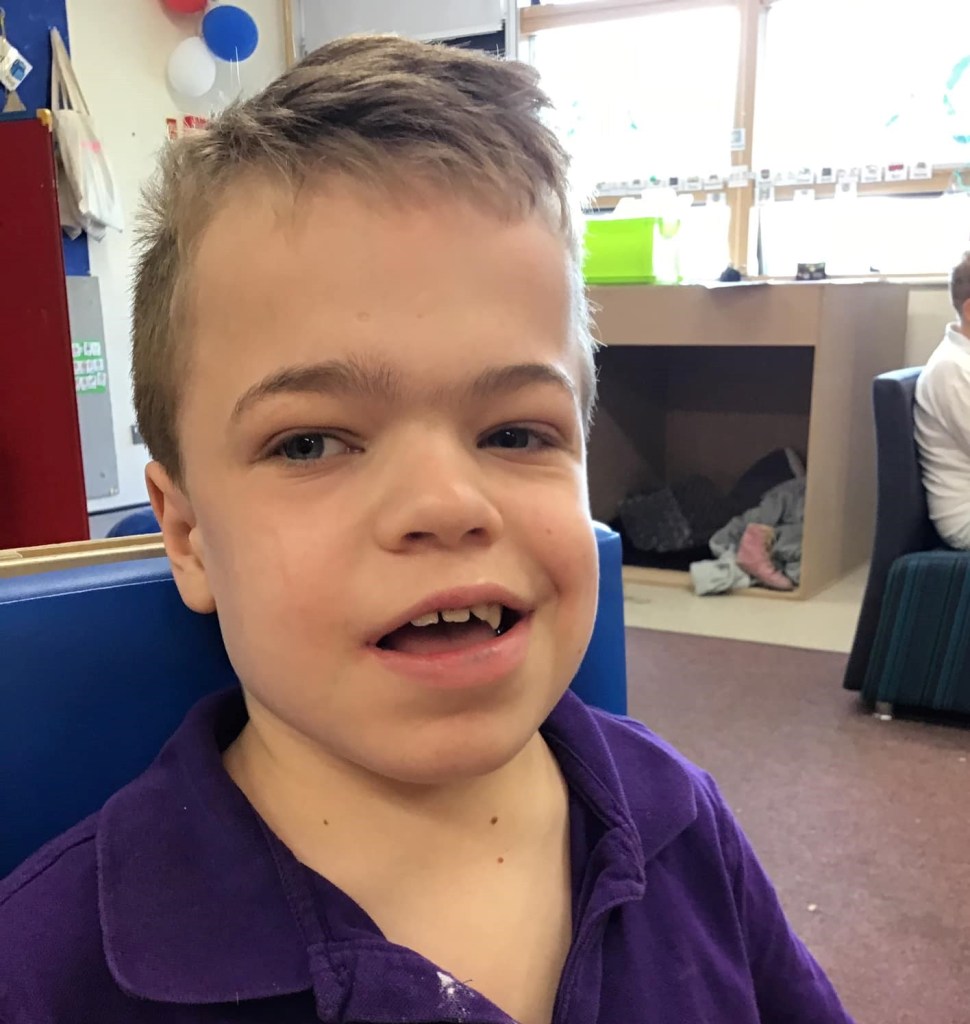
Close up photo of boy with MPS features, smiling and gazing off to the left of the camera. He is in a school setting.

Dedicated also to the memory of Andrew who died the same week and was so supportive of my blog. xx

Arrival

Warning: contains plot spoilers for the film Arrival

For a couple of years now we’ve had a family tradition – every Friday once Pudding is in bed, we settle down to watch a film together, taking it in turns to make the choice.

A few weeks ago we had a visitor from another MPS family staying with us. Evan is travelling the world on a fellowship, finding out how a diagnosis of mucopolysaccharidosis affects families like ours and learning from clinicians and policy makers who are trying to make a difference.

Although I was a little nervous about having a complete stranger to visit, he slotted right in to our lives – playing chess with T, discussing music with Hubby and having some beautiful moments with Pudding. He wanted to be treated just like one of the family, so of course we gave him the choice of film that week. This was a responsibiliy he took very seriously, considering what we’d seen previously and what would suit us all. A film about aliens arriving on earth and the difficulties of communicating with them seemed perfect, so we sat down to enjoy Arrival.

The opening scenes were a bit of a reality-check for us all. The protagonist, a linguistics professor, separates from her husband and watches as her 12 year old daughter dies from an incurable condition. A little hard-hitting when we’re facing the same situation ourselves. (Not the separation, don’t worry!)

Our guest was mortified and immediately suggested that we could watch something else, but we figured that it was just a back story and wouldn’t feature again. We were wrong. Towards the end, visions of her daughter return and it becomes apparent that contact with the aliens has enabled her to experience time differently. She is actually seeing visions of the future and now faces the choice of whether to go ahead, knowing what will happen. Evan groaned that he couldn’t have picked a worse film for us. But I don’t think that’s true.

The choice faced in the film has stayed with me over the weeks since. What would I do….?

I’ve written in a post previously that if I’d known Pudding’s diagnosis during pregnancy, I might instead have chosen to have an abortion. That I’d rather spare us all the heartache and loss that his MPS will mean. How could I bring a child into the world only to also give him suffering? How could I do that to us and other family members?

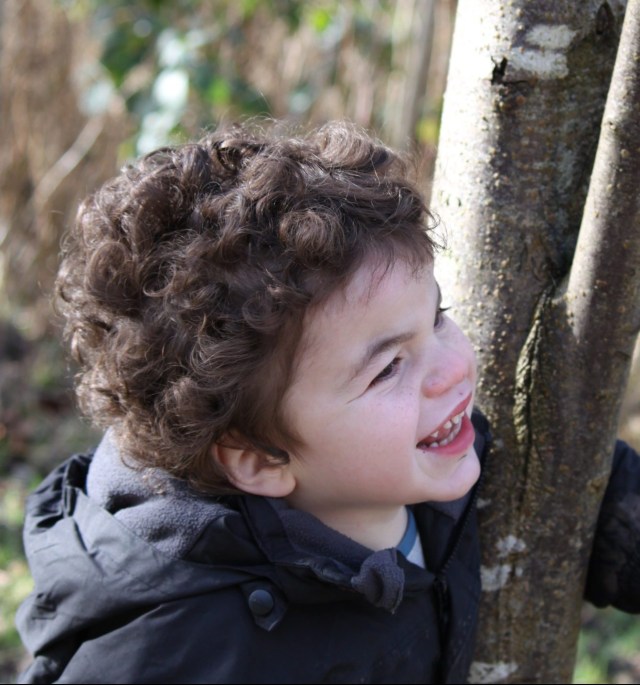
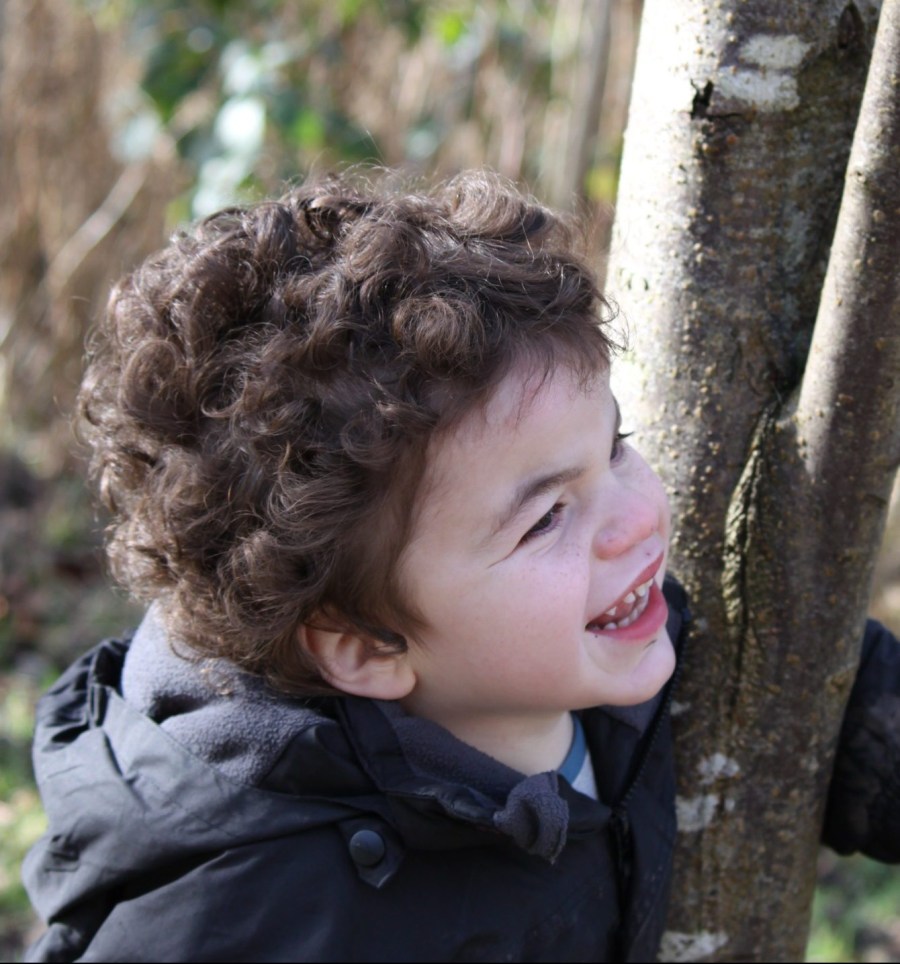
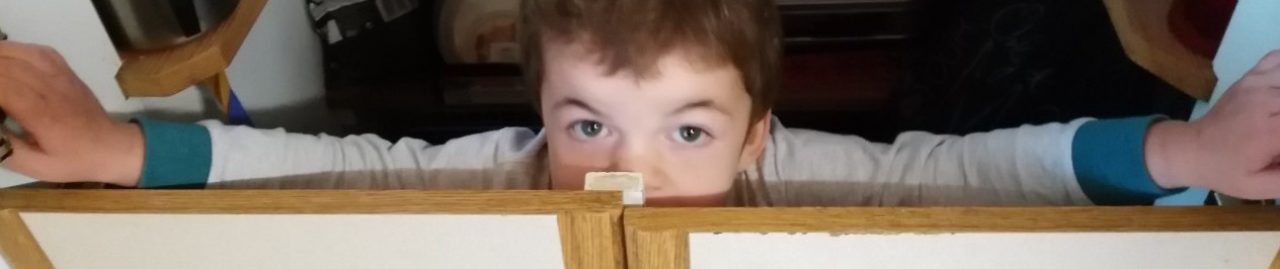
Pudding peering around a tree with a huge cheeky grin.

The point of the film though was that she could see the loss and the heartache that was coming. And that was almost too unbearable to contemplate. But she could experience all of the rest of it too. The love. The joy. The wonder. And the chance of those was too much to turn down.

And I’ve been torn. What would I do…?

When it comes down to it, there could only be one answer. I’d choose the tears. I’d choose the moments of contentment. The joy. The smiles. The curly-headed whirlwind. And the snuggly boy who purrs warm breath on my shoulder. I’d choose heartache that only comes from love. I’d choose life.

I would choose you, Pudding. Every time.

Pudding peering around a tree with a huge cheeky grin.

Rest in Preparation

Last month I booked a burial plot for my ten year old son.

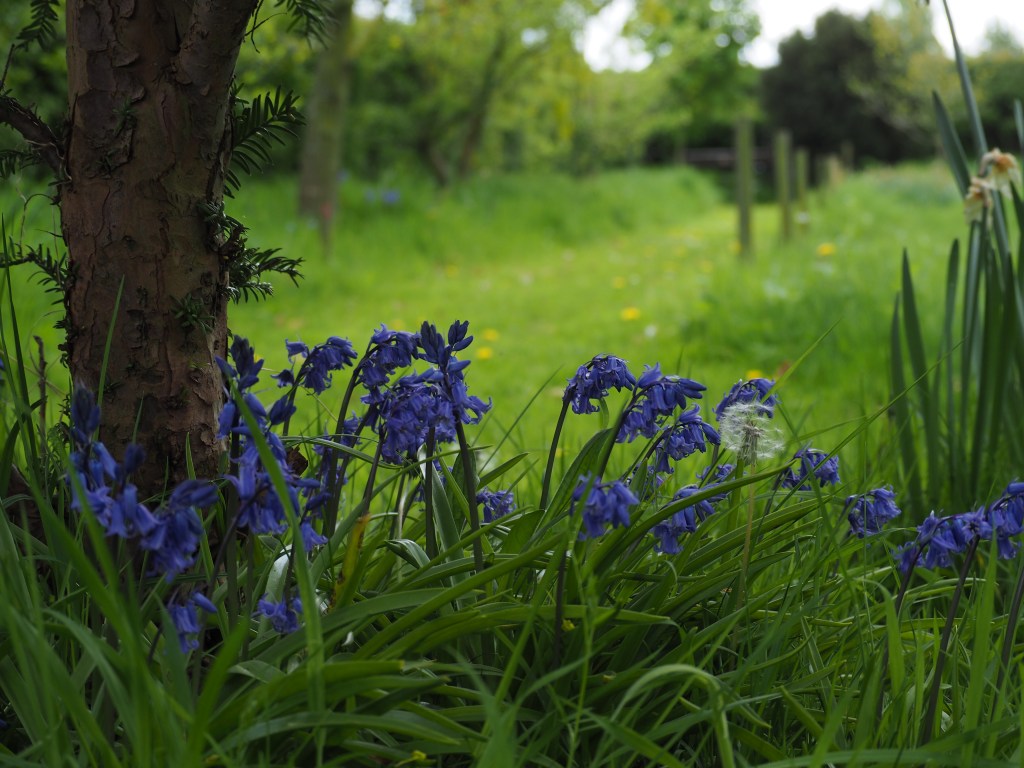
In the foreground there are bluebells at the foot of a tree. The blurred background has a grassy path with dandelions passing through longer grass and trees. A few wooden stakes mark out plots.

That’s a sentence I never expected to have to write when I first got pregnant. Even when he was diagnosed with a life-limiting condition and I was dealing with all the emotional fall-out, I still didn’t really believe it. That is, I did believe it but I don’t think you can ever truly grasp the reality until you’re closer to it. Let’s face it, when you’re watching a cheeky 3 year old making another bid for escape from the play-park, it’s hard to think of those details.

We may still have years yet before we need it, but we’re definitely closer than we were. Seven years down the line and my chunky active toddler is now a ten year old in a six year old’s body, with the joints and mobility of a much older adult.

Ever since Pudding was diagnosed with MPS (Hunter Syndrome) I’ve always faced this journey we’re living by wanting to know as much as I can about what’s coming. And death is no exception.

And yet, it’s been hard to contemplate the realities of death and all that it seems to entail. A black hearse with flowers in the shape of his name, just like the one in a TV programme that bulldozed Hubby and I when we were watching it. Regimented rows in the cemetery with bunches of flowers and fading teddies. I didn’t want any of that.

I’ve always fancied a green burial myself and when I started looking into that for Pudding I came across the Natural Death Handbook. It was a revelation to me. Not just full of advice about natural burial grounds and finding a funeral director, it’s also got personal stories of how people have done the whole thing themselves. Stories that have made me cry, yes, but also smile and laugh and say ‘Oh yes that’s how I want things to be!’ Stories that take away some of the fear.

We don’t have to have a sombre ceremony in a crematorium. We don’t have to have a hearse. We can hire a hall and decorate his coffin with ribbons and drive to the graveside ourselves. Or not. I don’t know the details yet. But having had a fairly unconventional wedding, it’s comforting that we can do an unconventional funeral too. Our way.

I was apprehensive when I visited the burial ground for the first time. Would it make me sad? Would it live up to my expectations? But when I walked down the little lane in February there were birds singing and bulbs starting to come up. Pushing the gate open and taking it all in, the first thought that popped into my head was of Pudding in his cheekier days peeking out around a tree. And I knew it was the right place for him.

Pudding peering around a tree with a huge cheeky grin.

I just hope it will be a while yet before this new reality kicks in.

Lobsters

When Pudding was first diagnosed with Hunter Syndrome (MPS) at three years old his future was laid out before us.

He would continue to gain skills for a few years, albeit slowly because of his learning disability. Then his ability to learn would plateau, with everything staying stable for a while before the learning curve started to fall in the other direction. Skills and abilities would be gradually lost until his body couldn’t take it any more and he would pass away.

It was all so very unreal at first.

In that first summer, when the sun was shining and I was surrounded by people enjoying their normal lives it just didn’t seem possible that I would some day have to say goodbye to my gorgeous boy. Watching him pull every book off the bookshelf in turn just to look at one page then discard it, or chasing after him when he made yet another bid for freedom from the playground, it didn’t make sense. Even when I was holding him down for another needle, or getting the results from the latest tests on his heart or airways (tests that already showed deterioration that I was previously unaware of) I still half-expected someone somewhere to tell me there’d been a mistake. The blood test had been checked again and everything was fine: he didn’t have MPS after all. A pipe-dream, of course. That call never came.

I’m not sure I can identify when his skills started to plateau. I do remember the joy of any small win. Watching him jump for the first time, hearing a new word spoken, seeing him respond to a simple command – these were all causes for celebration. Yet how can you truly tell when the little gains stop? It’s not something you can easily quantify. All you can do is suddenly realise that it’s been a long time since any new skill has been ticked off on the inevitable questionnaires.

Even then, as other parents saw me going from 0-60 to run after him yet again, I would joke that for a child with a life-limiting condition he was ridiculously healthy. Yeah, I know, inappropriate humour becomes a bit of a survival mechanism.

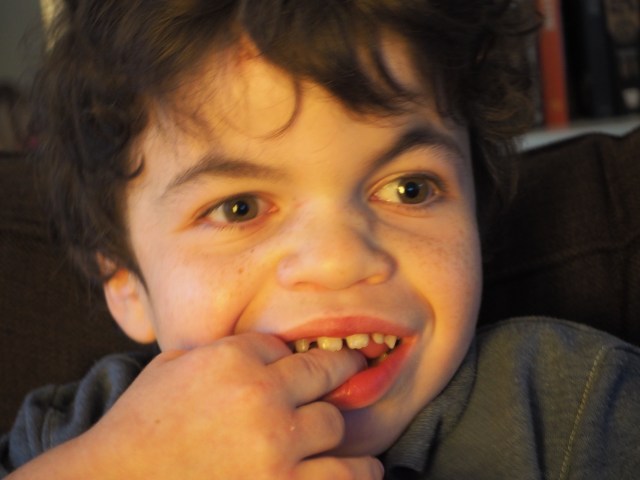
Close-up of Pudding's face - he is looking with concentration at something off the screen.

Now though… Now there’s no denying that we’re on that downward curve. Pudding no longer runs anywhere – he has to be persuaded to move from his chair. He still enjoys some food, but it’s taking him longer and longer to eat and his (much-delayed) gastrostomy is becoming more necessary. He is on medication for his bowels, for reflux and for joint pain and stiffness. Less mobility means more circulation problems and chilblains recently became an issue. Then just before Christmas, my poor boy started getting periods of gelastic seizures – bouts of laughing or crying for no true emotional reason. (And before you ask, the periods of laughing aren’t cute. After a few hours, they sound hollow and rather creepy.) Whereas before he would greet the whole world with open arms and a big grin, now we have to work hard to get even a brief smile.

As the medical issues stack up, all I can do is look out for the next lot of symptoms and hope that we can keep him as safe and happy as possible.

They say the lobster in the pot doesn’t know what’s coming, doesn’t notice that the water is getting hotter. Unfortunately, I’m not a lobster.

How long?

How long do we have?

It’s an inevitable question once your child is diagnosed with a life-limiting condition. It’s a question I’ve asked our consultant and one that others have asked me.

How long do we have?

How long before we know for certain? How long before we will see the benefits of treatment? How long before he loses his speech? How long before he can no longer walk? How long before he needs peg feeding? How long before it becomes too much for his heart and airways? How long do we have? How long? How long…

The answer to the ultimate ‘how long’ is elastic. It was cut brutally short at diagnosis but stretched again when enzyme treatment started. When it was confirmed that Pudding had the worst possible outcome (a complete gene deletion) that elastic contracted again. And then it eased out again once he got onto the clinical trial.

Our boys all seem to react to Hunter Syndrome so differently – some are plagued with chest infections, ear infections, hernia and so on from the get go. Others like Pudding seem to escape much of the bodily effects and present mostly with development delay. So when it comes to asking ‘how long’, there is no easy answer that the doctors can give.

But now having stopped the trial and no longer having treatment, we’re back to that pitifully short length of elastic that we were left with when we first had his diagnosis confirmed.

How long do we have before he will no longer reach out to hold my hand? How long before that infectious and increasingly rare smile disappears for ever? How long will I still be able to hold his solid little body to mine? How long before I plan a funeral? How long…

One of the hardest things I’ve ever had to do on this MPS journey was just before the final diagnosis. Hubby (who I’d kept in the dark about all my late night googling) suddenly asked me, ‘So what’s the worst case scenario?’ and I had to tell him that we might lose our little curly-haired livewire as early as ten years old. That’s not likely to be the case now. At least I hope not: he’s already nine and a half. Most estimates of life expectancy before enzyme treatment became the norm were around 14 years.

And yet, I continue to count our blessings. It may seem strange, this insistence of mine on our good fortune, but compared to some other families I know of, we are lucky. Although Pudding is declining, although his condition is life-limiting, we are not yet in the life-threatening stage. I don’t go to sleep worrying that I’ll lose my child to a seizure in the night, or have another acute illness hanging over us.

How long do we have? It could still be years. It could be quicker than we expect.

Maybe some day we will be sat in another clinical room and the consultant will shake his head and say, ‘I’m sorry, you only have…’ Maybe if I had a crystal ball I could check and see how long that will be.

But when it comes down to it, I’m not sure I want to know.

End of an era

Back in July 2015 I held my newly diagnosed son down as a needle was put in his hand and then watched in awe as liquid magic was pumped into him. A synthetic version of the enzyme that his body was missing. A treatment that would start clearing up all the waste products that had, unknown by us, been building up since he was born. Amazing science that would give him more energy, less pain, a more normal life.

He has had this four hour infusion every week since – almost six years – with only a few exceptions for holidays or when he was sick.

On the 7th May I will hold him again and watch as he receives his last one.

You see, when I wrote last week about an email from school making me cry, I wasn’t being entirely honest. Yes, it did catch me by surprise, but the reason I was vulnerable right then was because I was waiting to speak to Pudding’s consultant via a video call and I knew what was coming next.

A while ago we had some difficulties with Pudding’s portacath during treatments – the pressures were ridiculously high, almost to the level where the pump would simply stop working. So we were having to think about what we would do if things got worse. As always, it’s hard making decisions without full knowledge so we got some blood and urine samples taken.

The results were back and I knew it wouldn’t be good news.

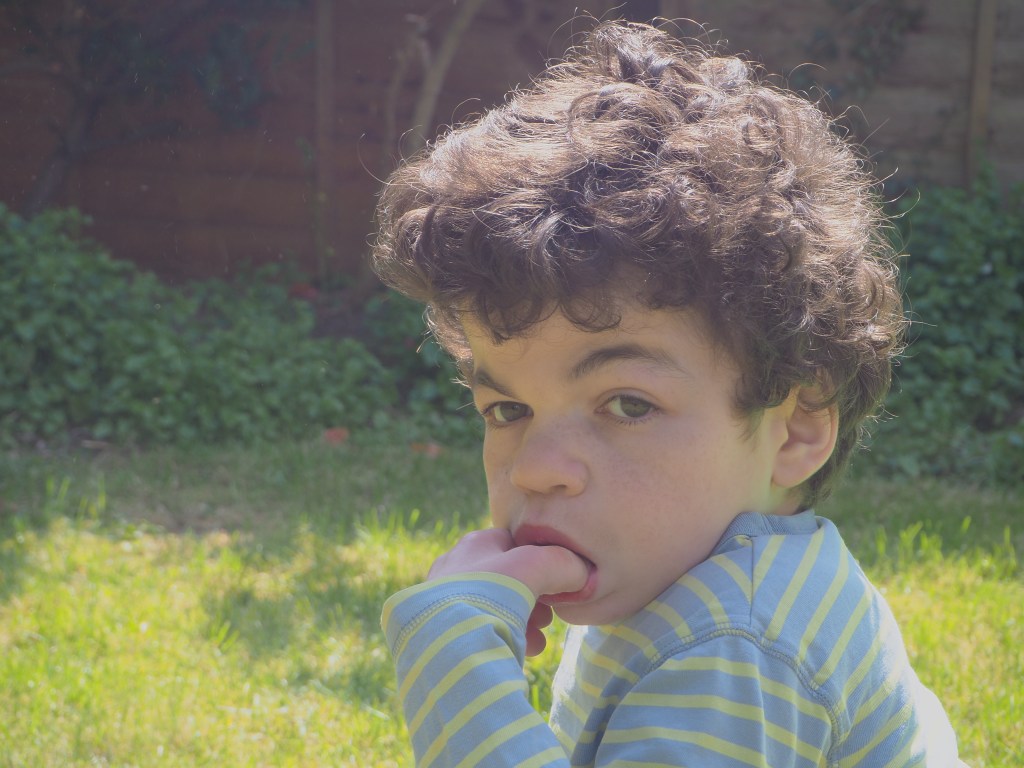
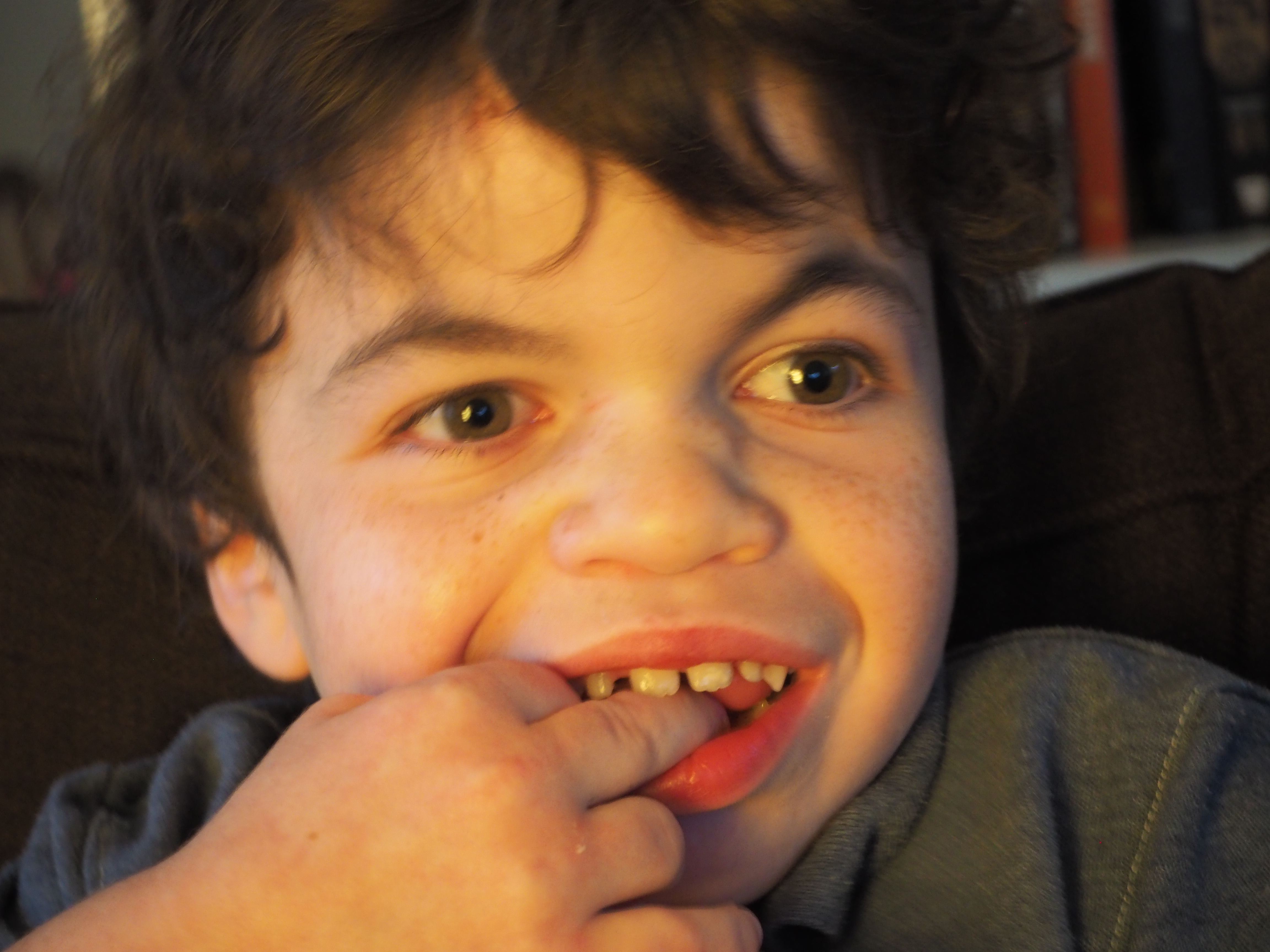
A close up photo of boy with curly hair with his thumb in his mouth. He is not smiling.

We’ve known for ages about the antibodies he’s developed that work against his enzyme infusion (that’s why we withdrew him from the clinical trial back in 2019) and all the outward signs have been that the weekly treatment was no longer doing what it was supposed to.

Last week we got the confirmation. The waste products in Pudding’s system are now 4 times higher than the top of the normal range for his age. (At diagnosis they were 2.5 times higher than normal, and they should normally come down as we get older). And in ideal test-tube conditions, only 10% of the treatment will be getting into his cells.

Although we have not been doing any harm continuing to give him weekly ERT, we can pretty much say with certainty that we are not doing any good.

So, it’s time to stop the needle pokes. Time to wave goodbye to the massive box of medical supplies. To free up space in the fridge and let my salad drawer be full of salad rather than medication.

I know that it’s not going to change anything for Pudding (other than another day back at school each week). The really hard decision was withdrawing from the trial which was intended to be a life-saver. All the ERT has ever been since, is a way of helping him feel more comfortable. But that doesn’t stop me feeling all the feels.

The end of an era.

Theory vs Practice

This week I got an email from school that made me cry. It was nothing nasty, nothing insulting, but quite the opposite. Written kindly and sensitively just as I would expect from this lovely place. But it really took me by surprise how I reacted.

Earlier in the day I’d spoken to a continence nurse for our first appointment since the service had been reallocated to the children’s centre. She was looking at Pudding’s details and trying to get a proper picture of his toileting needs. As part of that she of course asked about his diagnosis.

As usual, I reeled off the top-line facts about his Mucopolysaccharidosis Type 2: that we had no idea until he was 3; that his body can’t get rid of certain sugary waste products and so they build up; that he’s currently in the stage where he is losing skills; that the prognosis is not good. And as usual I heard that small shocked silence while the person on the other end of the conversation finds a kind and appropriate response.

I’m an old hand at these conversations. I’ve had so many of them. Maybe I come across as callous or uncaring when I give out these facts in such a matter-of-fact way. But the truth is, when I am saying these things I’m not talking about my son.

All these horrible facts describe what will happen to a theoretical boy and at a theoretical point in the future.

Oh, I know that’s not strictly true. I’m not really burying my head in the sand about what will happen to my gorgeous boy. I know that we are losing him to this horrible condition. But I guess that in a way I have learnt from the best teacher in the world. Him. I’ve often written about how Pudding lives in the moment – happy or unhappy with what’s there right in front of him, and no understanding of what will come in the future. It’s a good way to be sometimes.

So what about that email from school? Pudding has up until now been in an autism-provision class as he has had many similarities with these children – the need for structure and routine, and a sensory semi-formal curriculum. Even very recently I had wondered how long this would be suitable for him given the changes we’ve seen lately. But that was theoretical, my own private musings. The email confirmed my thinking and brought it into reality.

Practice feels much harder to deal with than theory.

Seeing things differently

When Pudding was diagnosed with a rare progressive condition that I’d never heard of (I mean, who HAS heard of mucopolysaccharidosis in the course of normal life) I knew that nothing would ever be the same again.

I was right. It hasn’t been. But that doesn’t mean that life is over, that everything will always be bad.

When he was first diagnosed, other parents told me that the first six months to a year were the hardest. I tried to find that helpful but couldn’t really see myself going back to feeling normal again, not feeling all that fear and grief and anger. It just didn’t seem possible.

Five years on, and a friend, another MPS mum, recently messaged me with this photo that she’d just come across in a back copy of the MPS Society magazine. To her, it was just a lovely photo – Pudding reaching over to me as I leaned on his hospital bed.

To me, it was so much more than that. It was a reminder of the day our fears came true. The day, a few months after diagnosis, that we finally got the results from his DNA test, confirming a complete gene deletion and therefore the worst possible outcomes from his condition.
I mentioned that and she immediately apologised, wishing she hadn’t sent it. But as I told her, I truly didn’t mind. For despite the circumstances, I do now love that photo. Yes, it is bittersweet, but it doesn’t just make me think of the worst.

When I see it I also remember the consultant’s face as he told me, and I knew how much he cared. I remember the hug that our specialist nurse gave me as she wished she could do more to make things better. I remember the nurses on the ward not just giving Pudding his treatment, but loving him with all their hearts. I remember being so grateful that my mum was with us on that (as I thought) routine visit. I remember the beauty of the moors as we headed back home along the hated M62 in sunshine.

One photo. So many different ways of seeing it.

In fact, I actually find it hard now to truly remember my feelings from those first few months. Not that I have exactly welcomed MPS into our lives. But I do think I’ve come to much more of an understanding with it. An acceptance that what will be will be.

A lot of the reason I’m free to see things differently at the moment is the wonderful long break we’ve had from hospital. Leaving the clinical trial he was on was difficult certainly, but it has meant that normal life is more ‘normal’ – no more clinical visits, no more psychology tests where I’m hit again and again with the reality of what he can’t do. No more M62!

Pudding’s health continues to be mostly ok for the moment and he’s a lot easier to deal with, being so much quieter than he was. Whilst I know the things that are still to come for us, it’s like we’re in the golden days. The eye of the storm. And I’m liking it here.

I used to hate all those motivational/inspirational memes (still do actually). You know the sort of thing: ‘Special children are only given to special people’ or ‘What doesn’t break you, only makes you stronger’. But I guess one that does ring a bit more true for me now is ‘Whilst you can’t change what happens to you, you can change how you react to it’. Not that I’ve really made any attempt to change. Perhaps it’s more accurate to say that I have been changed.

The next stages in Pudding’s condition may come quicker than I think, or we may still have months or years to make the most of. Who knows, I may see things differently again tomorrow! But until then, I accept.

Time

Yesterday nearly passed me by. Five years since Pudding’s diagnosis of MPS Hunter Syndrome. Five years of knowing that we will lose our gorgeous boy before he turns 20. Five years since I gave up hope of being told it was all just a silly mistake. Five years of this roller coaster of treatments and hope and despair.

In the last few weeks I’ve noticed that Pudding has started getting darker hair on the corners of his lips. A reminder that time is passing and even though his brain is declining his body is still getting older.

But don’t cry for us. Not for long anyway. Because I have a secret.

I can stop time.

All I have to do is snuggle in close and let his head rest on my shoulder. Lean in to him and breathe in his hair. Breathe in the warmth and marmite and banana. Feel his hand grab mine to fiddle with. Drink in all the love and content that flows from him in buckets.

And time…pauses. Nothing else matters.