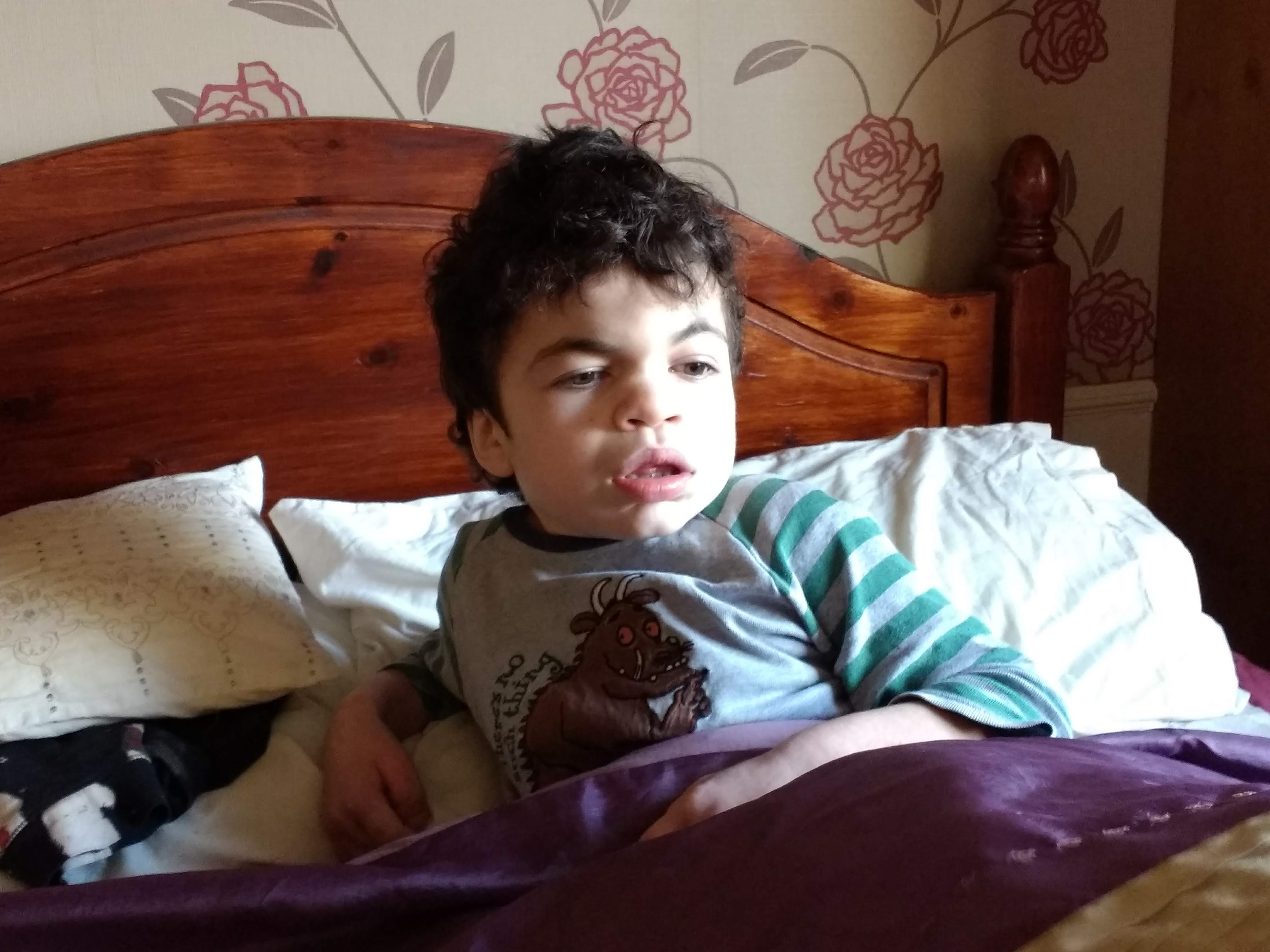
A letter to Hunter Syndrome

We’ve been together a while, you and I. And like any relationship we’ve had our ups and downs. Well, quite a lot of downs if I’m being honest. I’ve written enough about your bad side for you to have got the message by now.

I suppose you could call it a toxic relationship. In a situation like this, the thing people are supposed to say is ‘You should just leave!’ But I can’t. We’re stuck together for now.

It’s our ten year anniversary today. Did you know? People celebrate all sorts of dates for their anniversary. It’s not going to be a wedding in our case. But is it the day I first heard your name? The day we were informally introduced? Because of course, you’ve been around much longer. From the day Pudding, my youngest son, was born. The day he was conceived even – when a faulty egg wrote that error into his DNA. So there you were in our lives – uninvited, unwanted, unknown. I’d like to have met you sooner, had the chance to end our relationship before it took too much hold. But so far, I don’t have the power to change history. So I count today as our anniversary. The day that we sat in the consultant’s office and it was made official that we were now an MPS family. The first of July 2015.
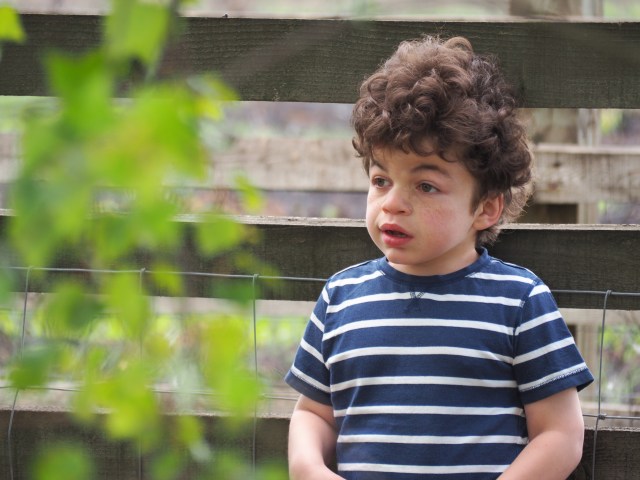
Like I said, I’ve written so much about you. About how much I hate you, because there is oh so much to hate. You’ve taken so much from us – the ability to lead a ‘normal’ family life and the prospect of watching our son grow up and leave home to name but two. My 13 year old should be upstairs playing computer games with his friends, demanding endless snacks to fuel his growing body. But he can’t play computer games, he doesn’t have friends, he can’t communicate what he wants and he hasn’t grown since he was six and a half. Instead he is on the sofa next to me complaining about something that I can’t help him with because as usual once I’ve tried all the things that I can help with, I’ve no idea what it is. Maybe he’s just complaining about you. I don’t blame him.

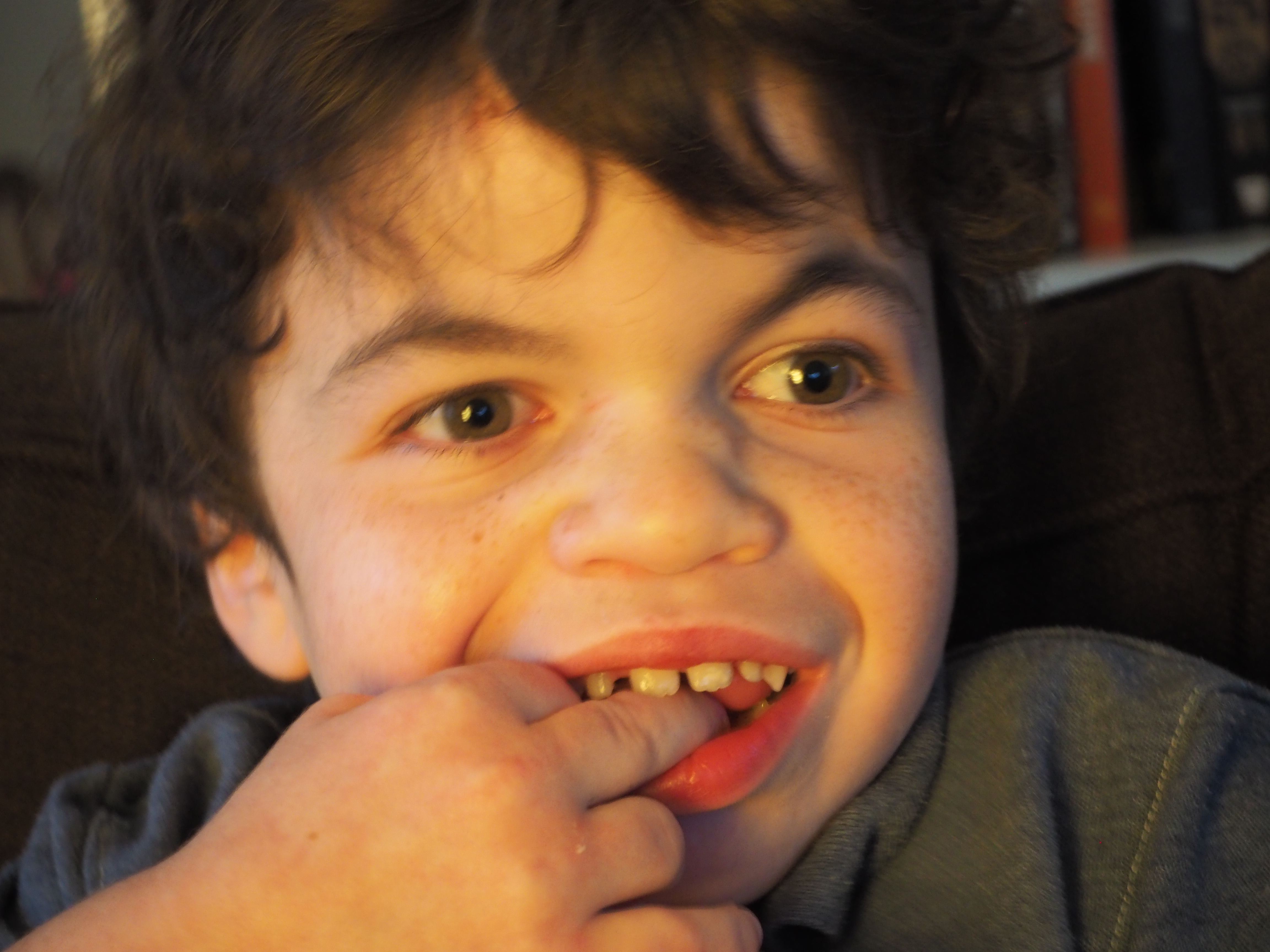
I have tried to be fair, of course. I’ve also written about what you have given us. It was you that sculpted those features of his – the high forehead, his adorable nose – every inch of this body that I adore. You gave him that mouth that was so ready to grin and shout hello to the world (before you stole his smile away). You gave him those eyes that look into my soul and his soft curled fingers that grab mine to use as his fiddle toy.

What I’ve not really thought about much before is what you’ve done to me. Oh, of course there was the tsunami of emotions – the anger, grief, anxiety, and so on. You’re probably fed up of me going on about them. But without you, I would not be the person I am today. Ten years of knowing you has changed me in so many ways (and it’s taken a year on a counselling course with lots of self-reflection to make me realise that!).

I have my faults, I know. But there are the good things too. You have taught me to parent differently, for both my boys. You have taught me patience, with myself and others. Oh gosh, it’s such a cliche – you have made me stronger. Resilient, even. I know now that I can face the worst and make it through. I share my pain so that others might feel less alone. These days I even dare to admit I can be brave when I need to be. Most of all, I have become comfortable with who I am – the whole me, flaws and all. Someone who is never going to break the mould or change the world, but who can sit with pain and take pleasure in simplicity.

I really quite like this version of me. So when it comes down to it, I guess what I’m trying to say is… thank you?

Laughing at disability

When is it ok to laugh at a disabled person?

Don’t worry, I haven’t completely lost the plot. The obvious answer is…only when they tell you it’s ok. (Or they are doing a comedy routine.)

At the moment I’m in a show based on one of C J Sansom’s books. Anyone who has read the series will know that his main character, Shardlake, is disabled. At the read-through, I knew straight away that one of the scenes would make me feel uncomfortable. Shardlake is made fun of because of his disability and most of the cast are meant to join in the laughter.

I know, acting!

Thankfully the actor playing Shardlake was lovely in his first rehearsal. He told us all to go for it, and not to feel uncomfortable. He’s a bit of a Tudor fanatic and explained that people used to believe that disability could be a sign of inner evil.

The show has got me thinking about how much has changed since then. But at the same time, how little has changed.

People with disabilities are no longer hidden away from society but yet access to many buildings or areas can still be limited. Independent travel – already an issue – is becoming more difficult with the proposed loss of station ticket offices. Developers still get away without considering all access requirements in some new build projects. I love that the script writer put a reference into the play that there is ‘no welcome for the lame’ even now. Even aside from availability of disabled parking, some people feel entitled to use the limited spaces themselves – ‘it’s after 7pm, anyone disabled won’t be out at this time’ etc (yes, you do indeed get these sort of comments.)

Disabilities are more widely represented on TV now – thank you, Strictly Come Dancing and CBeebies! – but equal access to acting roles has a way to go. Where a disabled character is featured it is often a stereotype of someone ‘overcoming’ their problems, or being seen as an object of pity, rather than a positive representation of a character going about their normal life. (Another kudos point for this production is their Access programme, meaning that a wide range of people with different abilities have been included.)

There are many other examples I could mention – you don’t have to look hard to find them. But what is truly distressing are the attitudes that lead to them. In some cases it’s ignorance or lack of awareness leading to the problems not even being considered. But scrape the surface and there are much more sinister attitudes out there. 

 Some people may not find Rosie Jones funny, for instance. That’s fine. But what’s not fine is to laugh at the way she looks or sounds due to her cerebral palsy. People will casually fling out insults such as spaz or retard – ‘just a joke!’ – without stopping to consider what those words actually mean, and how hurtful they can be to those who they were originally used to describe.

There also seems to be a hierarchy of ‘acceptable’ disabilities. Heaven forbid that you raise a child like Pudding who will never be a ‘useful’ member of society. As a family we’ve had to develop thicker skins, but when someone stares or laughs at Pudding we do see, and it does hurt. And on occasions where my writing or our story has ended up more in the public sphere, there will inevitably be some troll who wants to tell me that my gorgeous boy should have been allowed to die at birth.

I would love to see a day when disability is no longer considered to be a tragedy or a dirty word. I just don’t think it’s going to happen in my lifetime.

Happiness

I am happy.

It feels weird to say that on this blog, and also slightly wrong. Like I shouldn’t be.

When my son was diagnosed with a life-limiting condition back in July 2015, I was thrown into a maelstrom of emotions. Most of all, I couldn’t imagine ever laughing again, let alone feeling the deep contentment that I’ve settled into lately. But I guess that’s the thing about emotions – they don’t hang around forever.

Now, I have so much to be happy about: I have a lovely house and garden; strong family support around me; T is growing into an interesting and studious young man who frequently makes me laugh out loud with his quirky take on life; I’ve been able to get into more acting again; meditation has changed my outlook quite a lot; and going on HRT has also made a huge difference in eliminating some of the anxiety that I’d come to think of as normal for me. After two years of writing a gratitude diary every night I certainly don’t struggle to find three things to put down each day.

And then there’s Pudding…

When we got his diagnosis I was already struggling to deal with his whirlwind antics on a day to day basis. And now came the punch punch punch that MPS brings. Heart problems, general anesthetics, weekly trips to Manchester for enzyme treatments, issues with airways, joints…. Through all this there was the knowledge that he might be one of the unlucky ones, one of the ones with progressive Hunter Syndrome who will lose all his hard-won skills and die in his teenage years. That was confirmed in October 2015.

Then we were onto the next roller coaster of a clinical trial – the shaky hopes as we were hauled to the top and plunging despair as the reality of his decline kicked in, the impossible decisions that we were forced into making.

A close up. Boy with features of Hunter Syndrome, reclining in a disability buggy looking off to the side.

Now, all the hope has gone. He no longer has any treatment, only symptom management. We know that the inevitable will come to pass. Short of a miracle happening we will continue to lose him bit by inexorable bit. Anyone looking in from the outside might expect our situation to be much bleaker than the times I have described above. But with the hope gone we’ve also lost the deep lows. With the loss of Pudding’s abilities we’ve also lost the challenging behaviour. We’ve not necessarily stepped off the roller-coaster – I know there will be further ups and downs ahead – but most days we coast along fairly happily. Back then, I saw the future as a constant bleak decline, but in reality progress is more step-like with a sudden change followed by months of stability where we can settle into peace. After many years of saying I need to learn from him, to live in the moment, I’m pretty much there. And we have many beautiful moments.

Of course, it’s not all sweetness and light. Even Pollyanna had her down days. Ironically, reading the posts that I’ve linked to above I’ve just been crying again, but they’re tears for the me that was writing then. The me who was having to deal with all that. There are days that I cry for the future – a conversation with a doctor at Martin House triggered a vision of saying our final goodbyes to my baby. And there are other days when I cry for the now – when Pudding is unhappy and I don’t know why and can’t fix it, no matter how much I want to. Those times will undoubtedly become more common as we get further on.

But until then I am happy. In the moment.

Thomas

One week ago a family said goodbye to their boy for the last time. I only met Thomas once or twice but that didn’t stop his death hitting me hard.

When I heard that he had been admitted to intensive care in early December I was hoping so much that he would pull through. I sobbed for days when he could no longer carry on. And on the day of his funeral I picked Pudding up from school and held him extra tight for as long as he would let me.

From the moment a parent hears about the diagnosis of mucopolysaccharidosis, the death of your child becomes a painful reality. It may depend on many factors – treatments, bone marrow transplant, early diagnosis – and may not come to pass for many years yet. But the knowledge of the possible hovers there anyway.

When I started making contacts with other MPS families after the first few months of shellshock it was a welcome relief from the terrible isolation of hearing that diagnosis. Finally a chance to meet with others who just got it. Who didn’t need anything explaining and wouldn’t give you that look of panicked sympathy before awkwardly changing the subject.

Joining groups on social media provided answers to many questions that I had, but also showed the side of MPS that was harder to deal with. The older kids that were declining, and parents who were already mourning their losses. It was cushioned though, with the hope that maybe that wouldn’t be the outcome for Pudding.

The years passed and so did more children. Each one is heartbreaking, but still muffled a little by differences. ‘He’s much older than Pudding’. ‘She had a different type of MPS’. A drowning man will clutch at a straw…

Tucker. Matthew. Jack. Jamie. Names I knew but not well. Death and grief then marched on through families who were not just acquaintances any more, but had become friends. Ethan. Zack. Each one gets harder to hear about. Each time you wonder who is next.

Pudding turns 11 next month and Thomas wasn’t much older. They were both in the ‘chaos’ phase of MPS2 when they were tested for entry onto a clinical trial only a few months apart. (Thomas didn’t get in. Pudding did, though the benefits were sadly short-lived for him.)

I met his mum at a conference. We probably couldn’t be any more different in terms of background, experience, age, appearance and she’ll probably laugh at me for admitting that I found her rather intimidating to start with. But MPS has a tendency to dissolve away those barriers and I got to know an amazing person on Facebook, on the phone, and very occasionally in person – Norfolk is annoyingly far away from Yorkshire. Over the past couple of years, we’ve both seen our boys become quieter. We’ve both waited for our child to wake up from general anesthetic after a gastrostomy. We’ve both tried to balance the needs of our MPS child and their siblings. She’s not had an easy ride of it – let’s face it, MPS doesn’t give many people an easy ride – but she’s always been there to offer advice and support for others. Even after her own loss she continues to be generous in that way, letting me blurt out my emotions on here.

Because the emotions are inevitably there. Picturing him in hospital, knowing the discussions that took place with family and consultants, hearing about arrangements with the hospice… Knowing all that, it is impossible not to imagine us in the same position and wonder how long it will be.

On the day of Thomas’ funeral I so wanted to be there. To hug his mum. To cry for him, and for Pudding and for all the other children that MPS is stealing away. It just wasn’t feasible to travel that far, but I hope she knows that my heart was there with her.

I was nervous about writing this post. I knew that anything I wrote about Thomas would inevitably be more about the future that I know hovers over Pudding. And I knew that I wanted to find the right balance between expressing that and honouring Thomas’ life and loss.

So the best thing is to leave the final words to his mum. As she wrote on Facebook last week: ‘My darling boy I will always love you. You will always be with me and thank you for everything you have taught me.’

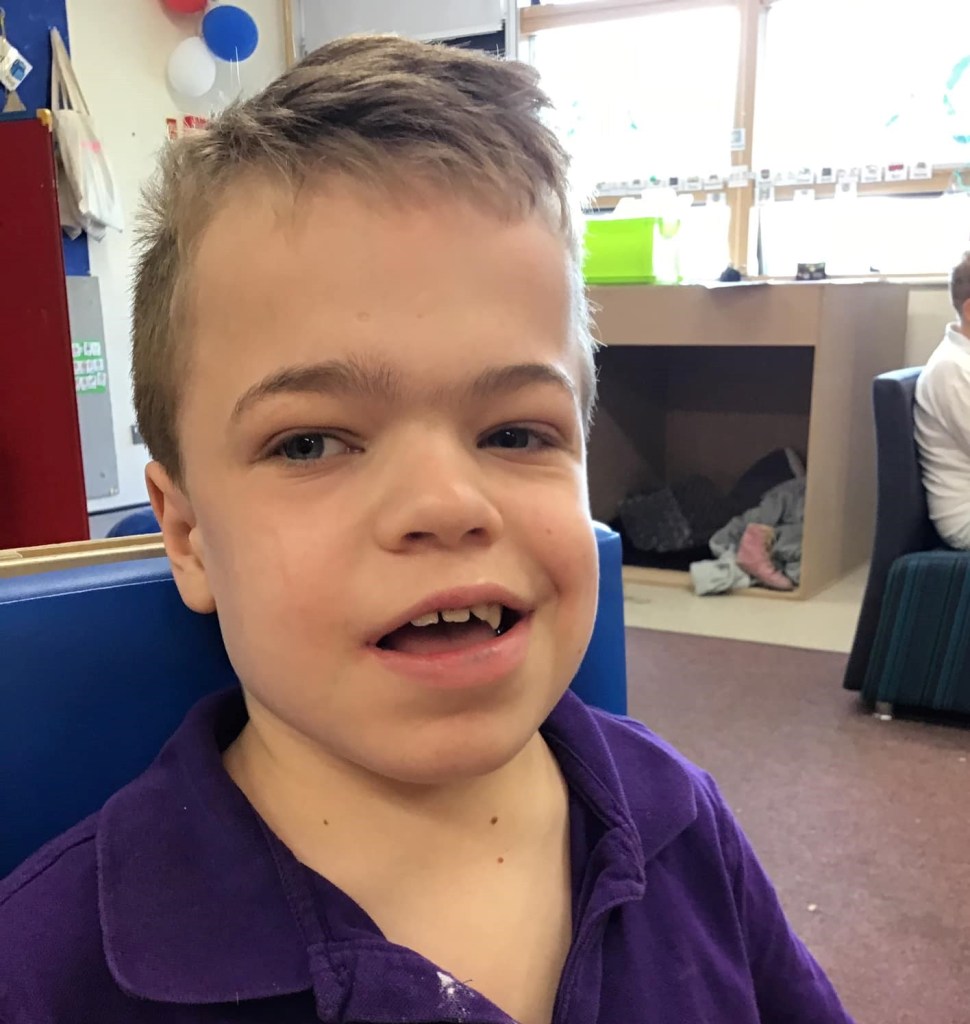
Close up photo of boy with MPS features, smiling and gazing off to the left of the camera. He is in a school setting.

Dedicated also to the memory of Andrew who died the same week and was so supportive of my blog. xx

Arrival

Warning: contains plot spoilers for the film Arrival

For a couple of years now we’ve had a family tradition – every Friday once Pudding is in bed, we settle down to watch a film together, taking it in turns to make the choice.

A few weeks ago we had a visitor from another MPS family staying with us. Evan is travelling the world on a fellowship, finding out how a diagnosis of mucopolysaccharidosis affects families like ours and learning from clinicians and policy makers who are trying to make a difference.

Although I was a little nervous about having a complete stranger to visit, he slotted right in to our lives – playing chess with T, discussing music with Hubby and having some beautiful moments with Pudding. He wanted to be treated just like one of the family, so of course we gave him the choice of film that week. This was a responsibiliy he took very seriously, considering what we’d seen previously and what would suit us all. A film about aliens arriving on earth and the difficulties of communicating with them seemed perfect, so we sat down to enjoy Arrival.

The opening scenes were a bit of a reality-check for us all. The protagonist, a linguistics professor, separates from her husband and watches as her 12 year old daughter dies from an incurable condition. A little hard-hitting when we’re facing the same situation ourselves. (Not the separation, don’t worry!)

Our guest was mortified and immediately suggested that we could watch something else, but we figured that it was just a back story and wouldn’t feature again. We were wrong. Towards the end, visions of her daughter return and it becomes apparent that contact with the aliens has enabled her to experience time differently. She is actually seeing visions of the future and now faces the choice of whether to go ahead, knowing what will happen. Evan groaned that he couldn’t have picked a worse film for us. But I don’t think that’s true.

The choice faced in the film has stayed with me over the weeks since. What would I do….?

I’ve written in a post previously that if I’d known Pudding’s diagnosis during pregnancy, I might instead have chosen to have an abortion. That I’d rather spare us all the heartache and loss that his MPS will mean. How could I bring a child into the world only to also give him suffering? How could I do that to us and other family members?

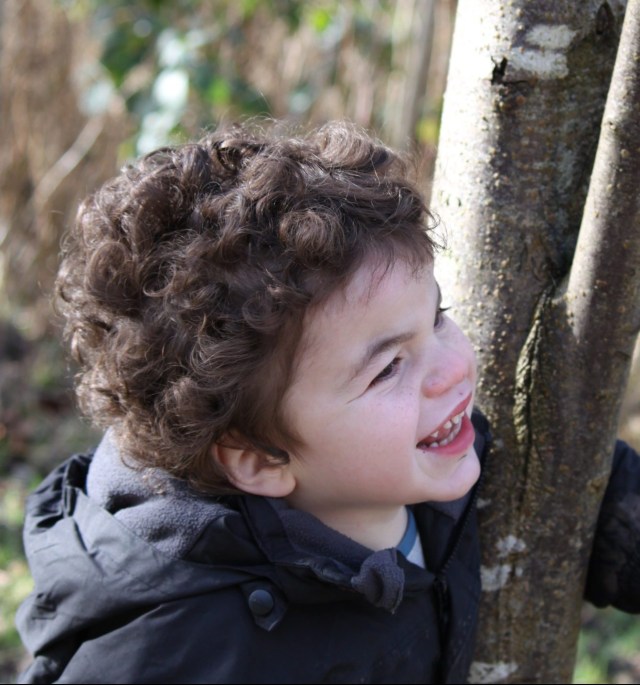
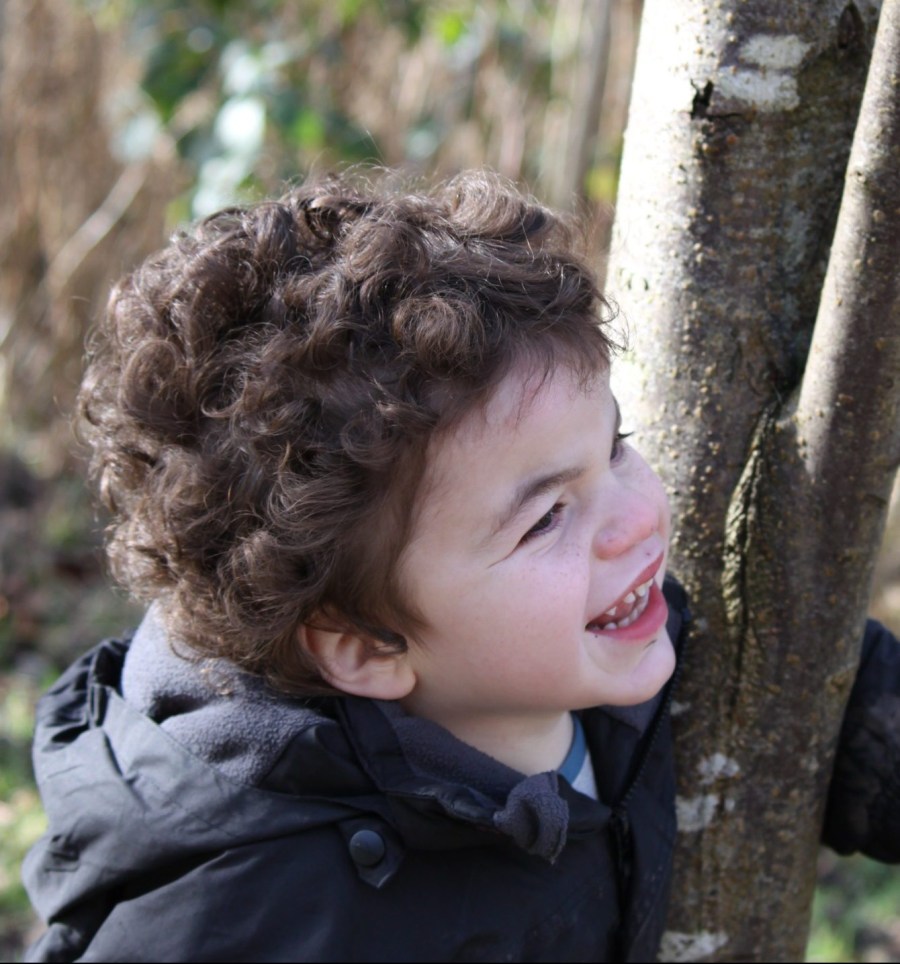
Pudding peering around a tree with a huge cheeky grin.

The point of the film though was that she could see the loss and the heartache that was coming. And that was almost too unbearable to contemplate. But she could experience all of the rest of it too. The love. The joy. The wonder. And the chance of those was too much to turn down.

And I’ve been torn. What would I do…?

When it comes down to it, there could only be one answer. I’d choose the tears. I’d choose the moments of contentment. The joy. The smiles. The curly-headed whirlwind. And the snuggly boy who purrs warm breath on my shoulder. I’d choose heartache that only comes from love. I’d choose life.

I would choose you, Pudding. Every time.

Pudding peering around a tree with a huge cheeky grin.

Rest in Preparation

Last month I booked a burial plot for my ten year old son.

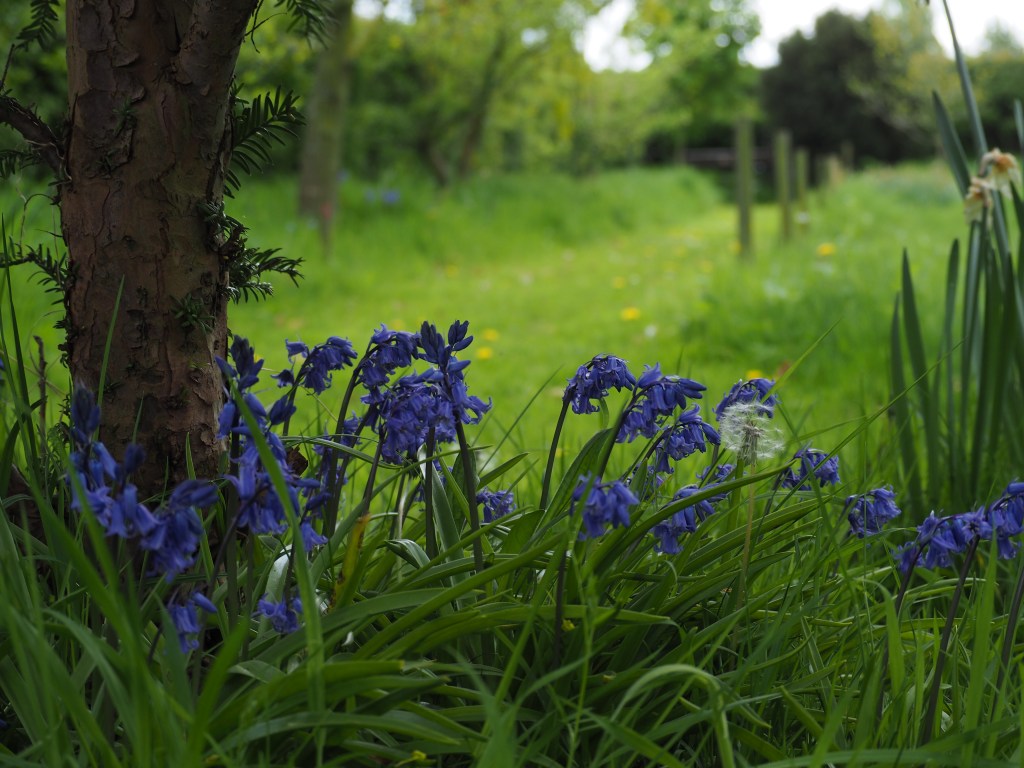
In the foreground there are bluebells at the foot of a tree. The blurred background has a grassy path with dandelions passing through longer grass and trees. A few wooden stakes mark out plots.

That’s a sentence I never expected to have to write when I first got pregnant. Even when he was diagnosed with a life-limiting condition and I was dealing with all the emotional fall-out, I still didn’t really believe it. That is, I did believe it but I don’t think you can ever truly grasp the reality until you’re closer to it. Let’s face it, when you’re watching a cheeky 3 year old making another bid for escape from the play-park, it’s hard to think of those details.

We may still have years yet before we need it, but we’re definitely closer than we were. Seven years down the line and my chunky active toddler is now a ten year old in a six year old’s body, with the joints and mobility of a much older adult.

Ever since Pudding was diagnosed with MPS (Hunter Syndrome) I’ve always faced this journey we’re living by wanting to know as much as I can about what’s coming. And death is no exception.

And yet, it’s been hard to contemplate the realities of death and all that it seems to entail. A black hearse with flowers in the shape of his name, just like the one in a TV programme that bulldozed Hubby and I when we were watching it. Regimented rows in the cemetery with bunches of flowers and fading teddies. I didn’t want any of that.

I’ve always fancied a green burial myself and when I started looking into that for Pudding I came across the Natural Death Handbook. It was a revelation to me. Not just full of advice about natural burial grounds and finding a funeral director, it’s also got personal stories of how people have done the whole thing themselves. Stories that have made me cry, yes, but also smile and laugh and say ‘Oh yes that’s how I want things to be!’ Stories that take away some of the fear.

We don’t have to have a sombre ceremony in a crematorium. We don’t have to have a hearse. We can hire a hall and decorate his coffin with ribbons and drive to the graveside ourselves. Or not. I don’t know the details yet. But having had a fairly unconventional wedding, it’s comforting that we can do an unconventional funeral too. Our way.

I was apprehensive when I visited the burial ground for the first time. Would it make me sad? Would it live up to my expectations? But when I walked down the little lane in February there were birds singing and bulbs starting to come up. Pushing the gate open and taking it all in, the first thought that popped into my head was of Pudding in his cheekier days peeking out around a tree. And I knew it was the right place for him.

Pudding peering around a tree with a huge cheeky grin.

I just hope it will be a while yet before this new reality kicks in.

They will never know…

A while back, Pudding and I went to meet T at the school gate for the first time in ages. This is the mainstream primary that Pudding also attended for the first year and a bit of his school life. Loads of people noticed him and came out of their way to say hello to him – the lollipop man (probably not the right term, these days!), parents from T’s year, but also children who remembered Pudding from his time there.

I found that hard, as I knew how much he had changed in the last three years and felt that I needed to warn the children. That he might smile at them but wouldn’t interact in the way he used to. That he likes people saying hello to him but might not show it any more. I thought it would be hard for them to understand and reconcile their memories with the reality.

Later though, I thought more about it and realised that at least all these people do have memories of him, which will hopefully last. Much tougher for me to accept is that people who meet him now will never know the whole of him.

They will never know the little 5 year old who would thunder around school with a massive grin, making himself known to everyone. They’ll never have seen the Year 6’s queueing up to give him high fives. They missed him taking over the headmaster’s office and making himself comfortable in the spinning chair. They’d have to imagine him (with probably once of the worst attendence records in school) gatecrashing the ‘100% attendance breakfast’ and demanding juice.

Anyone seeing him now, passively watching the TV, wouldn’t know that once he pattered on stage at the travelling panto to ask where his favourite pantomime cow had gone. That at the donkey sanctuary he would run around telling everyone at top volume that there were ‘Dong-key!’ as if they might not have noticed. That everywhere he went, he greeted the whole world with joy and openness.

Boy with huge grin wearing Star Wars T-shirt running towards the camera. Man in baseball cap and glasses in background.

Those who don’t know him will see a child at the playground who needs to be persuaded to leave his wheelchair and clings to me for balance. They would never believe that I used to watch him like a hawk, that he would peer round at me with a cheeky grin and then make a beeline for the gate out to the road. That I would have to go from 0-60 in five seconds flat in order to catch him.

They won’t see the boy who would earnestly babble to his breakfast. Or wait at the window to watch for his Daddy to come home, then run to the door and catch him by the hand to lead him into the house. They’ve never known the delight of watching him hide behind a cushion to play peekaboo and then giggle so infectiously that you couldn’t help but join in.

Those who take the time to know him now still love him, and of course his family’s adoration has no bounds. I don’t really know what any random stranger meeting Pudding would make of him, but I do know that they have missed out on the most adorable child, more packed full of character in those few years than many people manage in a lifetime.

Middle Age

My son is as old as me.

Not chronologically of course – he’s eight and I’m 49. But the other day I realised that soon he’ll be nine, and in Hunter Syndrome terms that is getting closer to being old.

One of the blessings of being in lockdown again is not having to do the school run with T. Normally I do enjoy it; strolling along past the little lake, chatting about Minecraft or Pokemon or Last Avatar. Sometimes, I walk a different way which means I was more likely to see Pudding’s mainstream classmates – children he’d still have been in school with if MPS had not come into our lives. For a long time after he moved to his fabulous specialist school the obvious differences between them stopped bothering me. I stopped comparing him to them and wishing things were different. But last term the negatives began to creep in again. I would see them zooming along on scooters, so tall and growing more independent. And yes, it gave me a pang knowing that they would soon be walking to school by themselves, that so many possibilities stretch before them.

They are growing up but are far from old. Whilst Pudding is more like me.

I groan now when getting up off the floor. Pudding will no longer bend down to pick most things up off the floor (a tempting shoe to throw being one exception). I can hardly see to thread a fine needle like I used to. He is finding it more and more difficult to judge depth when stepping from one surface to another.

But while I know I’ve got years ahead of me before I am done with middle age, I don’t know about Pudding.

In the MPS world birthdays are scary. A birthday doesn’t just mean another year older. It means another year closer to old age. When a life can be cut off before adulthood, when is old age? 15? 13? 10?

I don’t know. And I don’t want to find out.

Seeing things differently

When Pudding was diagnosed with a rare progressive condition that I’d never heard of (I mean, who HAS heard of mucopolysaccharidosis in the course of normal life) I knew that nothing would ever be the same again.

I was right. It hasn’t been. But that doesn’t mean that life is over, that everything will always be bad.

When he was first diagnosed, other parents told me that the first six months to a year were the hardest. I tried to find that helpful but couldn’t really see myself going back to feeling normal again, not feeling all that fear and grief and anger. It just didn’t seem possible.

Five years on, and a friend, another MPS mum, recently messaged me with this photo that she’d just come across in a back copy of the MPS Society magazine. To her, it was just a lovely photo – Pudding reaching over to me as I leaned on his hospital bed.

To me, it was so much more than that. It was a reminder of the day our fears came true. The day, a few months after diagnosis, that we finally got the results from his DNA test, confirming a complete gene deletion and therefore the worst possible outcomes from his condition.
I mentioned that and she immediately apologised, wishing she hadn’t sent it. But as I told her, I truly didn’t mind. For despite the circumstances, I do now love that photo. Yes, it is bittersweet, but it doesn’t just make me think of the worst.

When I see it I also remember the consultant’s face as he told me, and I knew how much he cared. I remember the hug that our specialist nurse gave me as she wished she could do more to make things better. I remember the nurses on the ward not just giving Pudding his treatment, but loving him with all their hearts. I remember being so grateful that my mum was with us on that (as I thought) routine visit. I remember the beauty of the moors as we headed back home along the hated M62 in sunshine.

One photo. So many different ways of seeing it.

In fact, I actually find it hard now to truly remember my feelings from those first few months. Not that I have exactly welcomed MPS into our lives. But I do think I’ve come to much more of an understanding with it. An acceptance that what will be will be.

A lot of the reason I’m free to see things differently at the moment is the wonderful long break we’ve had from hospital. Leaving the clinical trial he was on was difficult certainly, but it has meant that normal life is more ‘normal’ – no more clinical visits, no more psychology tests where I’m hit again and again with the reality of what he can’t do. No more M62!

Pudding’s health continues to be mostly ok for the moment and he’s a lot easier to deal with, being so much quieter than he was. Whilst I know the things that are still to come for us, it’s like we’re in the golden days. The eye of the storm. And I’m liking it here.

I used to hate all those motivational/inspirational memes (still do actually). You know the sort of thing: ‘Special children are only given to special people’ or ‘What doesn’t break you, only makes you stronger’. But I guess one that does ring a bit more true for me now is ‘Whilst you can’t change what happens to you, you can change how you react to it’. Not that I’ve really made any attempt to change. Perhaps it’s more accurate to say that I have been changed.

The next stages in Pudding’s condition may come quicker than I think, or we may still have months or years to make the most of. Who knows, I may see things differently again tomorrow! But until then, I accept.

Time

Yesterday nearly passed me by. Five years since Pudding’s diagnosis of MPS Hunter Syndrome. Five years of knowing that we will lose our gorgeous boy before he turns 20. Five years since I gave up hope of being told it was all just a silly mistake. Five years of this roller coaster of treatments and hope and despair.

In the last few weeks I’ve noticed that Pudding has started getting darker hair on the corners of his lips. A reminder that time is passing and even though his brain is declining his body is still getting older.

But don’t cry for us. Not for long anyway. Because I have a secret.

I can stop time.

All I have to do is snuggle in close and let his head rest on my shoulder. Lean in to him and breathe in his hair. Breathe in the warmth and marmite and banana. Feel his hand grab mine to fiddle with. Drink in all the love and content that flows from him in buckets.

And time…pauses. Nothing else matters.